

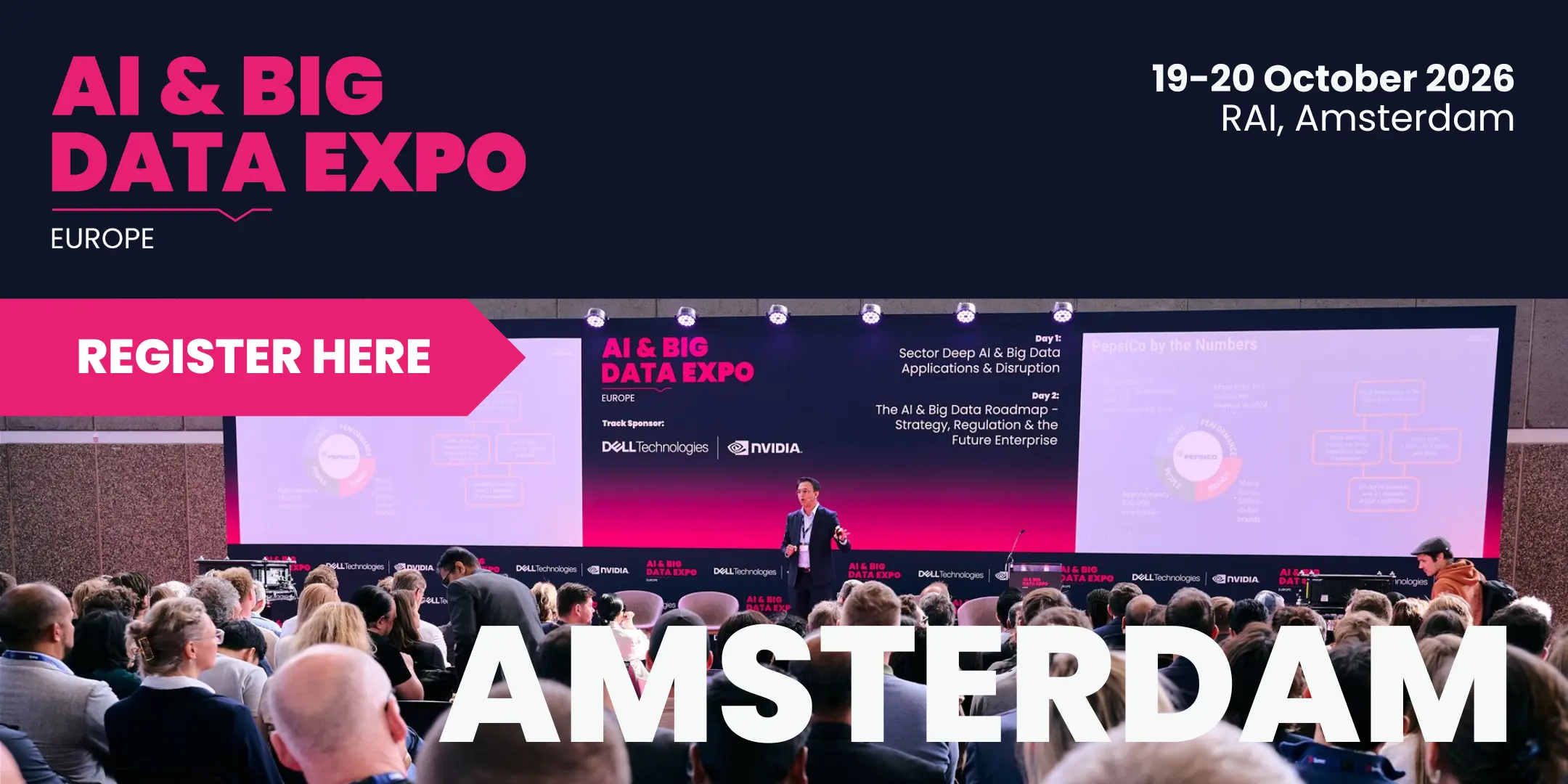
The AI & Big Data Expo Europe 2026 will be one of the year's most important gatherings for everyone working at the intersection of artificial intelligence, machine learning, and data-driven business strategy. Building on the momentum of previous editions, the event will bring together global technology leaders, senior enterprise decision-makers, startup founders, and academic researchers for two days of intense knowledge sharing and networking. With AI adoption accelerating across every sector, the expo offers a rare opportunity to take stock of current capabilities, identify emerging trends, and understand what it realistically takes to turn data assets into competitive advantage.
Event highlights and key facts
- Event name: AI & Big Data Expo Europe 2026
- Location: Amsterdam, The Netherlands
- Focus areas: artificial intelligence, machine learning, big data, data analytics, and data governance
- Audience: enterprise IT leaders, data scientists, AI engineers, business executives, and tech investors
- Format: conference sessions, live demos, exhibitions, workshops, and networking breaks
A gathering place for the European AI ecosystem
Europe has become a critical battleground for AI innovation, with both established enterprises and agile startups investing heavily in intelligent automation. The expo will reflect this dynamic environment by showcasing real-world deployments that go beyond proofs of concept. Visitors will learn how organizations are applying generative AI, predictive analytics, computer vision, natural language processing, and large language models to solve concrete business problems. From supply chain optimization to customer experience personalization, the case studies presented at the expo will highlight measurable outcomes, lessons learned, and pitfalls to avoid.
Conference tracks and topics
The conference program is designed to cover the full spectrum of AI and big data topics. Dedicated tracks will explore the latest advances in machine learning algorithms, MLOps, data architecture, cloud computing, edge AI, and real-time analytics. Other sessions will focus on the human side of AI, including organizational change, talent development, and ethical considerations. The agenda will also give significant attention to data privacy and security, especially as European regulations continue to evolve. Attendees will come away with a clearer understanding of how to align technology investments with business goals while maintaining trust and compliance.
Keynotes and expert speakers
The keynote stage will feature visionary leaders and hands-on practitioners who are shaping the future of enterprise AI. While the full speaker lineup is yet to be announced, organizers have promised a mix of chief data officers, chief AI officers, leading researchers, and technology innovators from across Europe and beyond. These sessions are expected to offer candid insights into successful AI strategies, the current limits of machine intelligence, and the next wave of breakthroughs. The speakers will address not only the opportunities but also the difficult questions around AI safety, bias, interpretability, and the responsible use of data.
Exhibition floor and live demonstrations
The exhibition floor will be a busy hub of activity, with leading technology vendors and emerging startups showcasing their latest products and services. From advanced data platforms and AI infrastructure to no-code machine learning tools and industry-specific solutions, the diversity of technologies on display will be impressive. Live demonstrations will give visitors a chance to see these solutions in action and evaluate how they might fit into their own organizations. Many exhibitors will also offer personalized consultations, making it easier for attendees to ask targeted questions and compare options side by side.
Why this event matters in 2026
The AI landscape has changed dramatically in recent years. What was once the domain of specialized data science teams has become a strategic priority for boards and executive committees. Companies are no longer asking whether to adopt AI, but how to adopt it at scale responsibly and profitably. The AI & Big Data Expo Europe 2026 arrives at a critical moment, as many organizations are moving beyond experimentation and seeking to integrate AI into their core operations. This transition is not trivial. It requires robust data infrastructure, skilled talent, clear governance frameworks, and a culture that embraces continuous learning.
Networking and collaboration opportunities
Beyond the conference sessions and exhibition booths, the expo will offer numerous networking opportunities. The event is designed to facilitate meaningful connections between peers who share similar challenges and ambitions. Whether you are looking for a technology partner, a vendor, or simply someone who has already implemented a similar strategy, the expo provides an environment where conversations can happen naturally. Mentoring sessions, roundtable discussions, and social events will allow participants to dive deeper into specific topics and build relationships that last well beyond the event.
Who should attend
The AI & Big Data Expo Europe 2026 is aimed at a very broad audience. CTOs, CIOs, chief data officers, data engineers, data scientists, AI enthusiasts, project managers, and innovation leads all have a place at the event. Business executives who want to understand how AI can improve decision-making and operational efficiency will also benefit from attending. The expo is a valuable learning opportunity for anyone involved in digital transformation, regardless of industry. Past editions have drawn participants from banking, retail, healthcare, manufacturing, logistics, energy, and the public sector, reflecting the universal relevance of data and AI.
Industry applications and case studies
One of the most valuable aspects of the expo is its attention to industry-specific applications. Healthcare organizations will be interested in sessions exploring how AI is being used for medical imaging, predictive diagnostics, drug discovery, and patient care management. Financial services leaders will find discussions around fraud detection, algorithmic trading, credit risk modeling, and customer service automation. Manufacturers will explore predictive maintenance, quality inspection, and supply chain resilience. Retailers will discover personalization engines and demand forecasting tools. These real-world examples help attendees translate abstract concepts into practical action plans.
Trends to watch
The event will also serve as a barometer for emerging trends in big data and AI. In 2026, several themes are expected to dominate the conversation. The maturation of generative AI will continue, with growing attention to fine-tuning, retrieval-augmented generation, and domain-specific models. MLOps will become more standardized, enabling teams to deploy and monitor models with greater reliability. Data mesh and data fabric architectures will gain traction, helping organizations break down data silos. In addition, edge computing and AI-powered devices will push intelligence closer to where data is generated. The expo will provide a platform for these trends to be discussed, debated, and demonstrated.
A focus on responsible AI
Responsible AI will be another major theme at the AI & Big Data Expo Europe 2026. As AI systems become more powerful, organizations are coming under increasing pressure to ensure that their algorithms are fair, transparent, and accountable. The European regulatory landscape is evolving rapidly, and companies must understand their obligations under new and proposed legislation. Sessions on AI governance, data ethics, and model explainability will offer practical guidance on how to build trust with customers, employees, and regulators. Attendees will learn about frameworks for auditing models, managing risk, and ensuring human oversight where it matters most.
Registration and practical information
With attendee numbers expected to exceed previous records, early registration is strongly recommended. The event offers different ticket types, ranging from exhibition-only passes to full conference passes that include access to all keynote sessions, panel discussions, and networking areas. Group discounts are available for teams of multiple attendees. For those who cannot attend in person, organizers may offer virtual participation options, allowing a global audience to access selected content remotely. Visitors should also plan their travel to Amsterdam well in advance, as the city's calendar is busy throughout the year.
Source: AI News News