

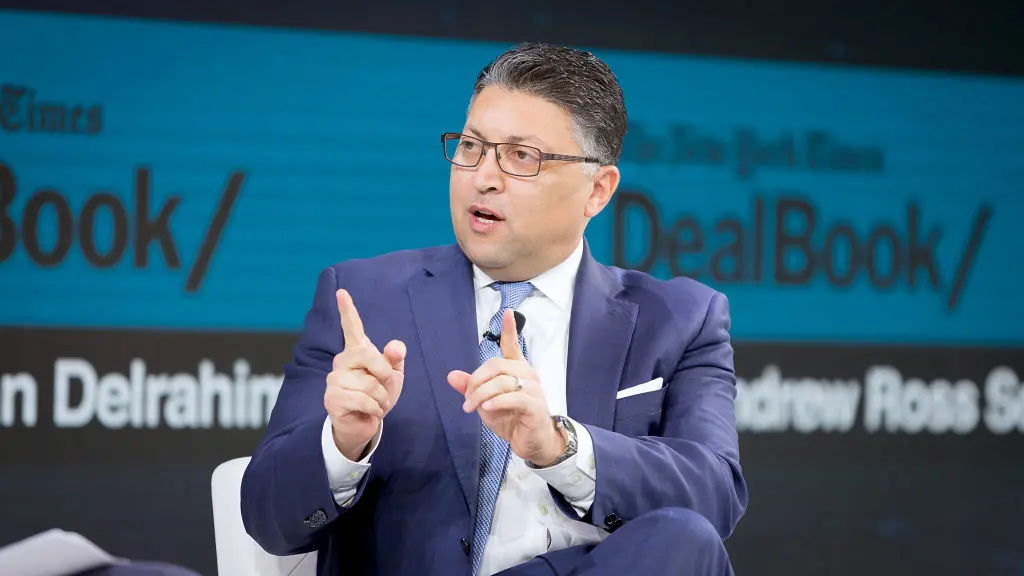
Paramount Skydance has formally accused Netflix of conducting a systematic campaign to undermine its proposed acquisition of Warner Bros. Discovery (WBD), a move that would reshape the entertainment landscape. In a letter dated June 5 and addressed to officials at the U.S. Department of Justice’s Antitrust Division, Paramount’s chief legal officer, Makan Delrahim, described Netflix’s actions as a “scorched-earth campaign” designed to turn regulators, unions, and other stakeholders against the transaction. The letter, first reported by Politico, represents a dramatic escalation in the war of words among industry titans as consolidation pressures mount.
Delrahim, a former assistant attorney general for the Antitrust Division himself, specifically targeted Netflix’s alleged efforts to sway the International Brotherhood of Teamsters, a powerful union representing 1.3 million workers, including film and TV crew members. The Teamsters had sent their own letter to the DOJ in March, urging the agency to block the merger unless substantial safeguards were enacted to protect domestic production and jobs. Delrahim’s response argues that these concerns are misguided and driven by Netflix’s panic over losing ground to a combined Paramount-WBD entity.
“Indeed, Netflix’s panic-level response and scorched-earth campaign to try and poison regulators and other stakeholders against the Transaction shows just how seriously Netflix takes Paramount as a scaled competitor,” Delrahim wrote. He emphasized that the combined company would actually increase content production, not shrink it, and would create more jobs across the industry—from writers and directors to drivers, caterers, and animal handlers.
Background: The Proposed Merger and Industry Context
The Paramount-WBD merger would bring together two of Hollywood’s oldest and most storied studios. Paramount Pictures, now under the umbrella of Paramount Global following its merger with Skydance Media in 2025, is known for blockbuster franchises like “Mission: Impossible,” “Top Gun,” and “Star Trek.” Warner Bros. Discovery, formed in 2022 from the merger of WarnerMedia and Discovery Inc., owns vast assets including HBO, CNN, the Warner Bros. film studio, and a massive library of iconic IP such as “Harry Potter,” “DC Comics,” and “Game of Thrones.” Together, the combined company would rival Disney and Netflix in scale, controlling not only movie and TV production but also multiple streaming services (Paramount+ and Max) and a vast array of cable channels.
However, the deal comes with significant financial baggage. Paramount Global reported over $15 billion in long-term debt as of early 2025, while Warner Bros. Discovery carries approximately $44 billion in debt. The merged entity would inherit roughly $79 billion in total indebtedness, raising concerns about its ability to invest in content without further cost-cutting. A January SEC filing from Paramount explicitly stated that the combined company expects to reduce content spending by less than 10%, though it pledged that none of those cuts would come from film or TV studios.
Paramount CEO David Ellison has publicly committed to releasing at least 30 feature films annually, each with a theatrical window of at least 45 days—a promise aimed at reassuring theater owners and talent that the merged company will prioritize the big screen. Ellison has been making this pledge since February, even as some analysts question whether such a volume is sustainable given the debt load.
The Role of Netflix: Panic or Competition?
Netflix’s alleged interference is notable given that the streaming giant itself considered acquiring Paramount in early 2025 before backing out of negotiations in February. According to Delrahim, Netflix has been actively lobbying union leaders and other stakeholders, warning that the Paramount-WBD merger would mirror the negative outcomes of Disney’s 2019 acquisition of 21st Century Fox. That deal resulted in eliminated production units, significant job losses, and canceled projects—a narrative the Teamsters echoed in their March letter.
Delrahim countered that the comparison is flawed. He pointed out that Disney had already modified its feature film release strategy before buying Fox, and that the COVID-19 pandemic severely disrupted Disney’s theatrical plans. Furthermore, he claimed that the number of wide-release theatrical films in the U.S. increased from 2019 to 2025, and that Disney’s content spending actually grew from $5 billion in 2019 to $24 billion expected in 2026. However, this claim is contested: Disney’s 2019 10-K filing showed content spending on film and television production at $7.1 billion, plus $10.5 billion on program licenses and rights, totaling around $17.6 billion—not $5 billion. Analysts have placed Disney’s total content spend in 2019 closer to $28 billion, making 2026’s projected $24 billion a decrease, not an increase as Delrahim suggested.
Netflix responded to Delrahim’s letter by calling the accusations “absurd.” A spokesperson stated, “We walked away from this deal months ago and remain focused on our own business, not theirs. Ultimately, it’s up to the regulators to approve this deal and determine if it is in the best interest of the industry and all concerned.” This refutation aligns with Netflix’s public stance of staying out of other companies’ merger battles, but the letters suggest otherwise.
Labor Concerns and Job Losses
The Teamsters’ opposition centers on fears that the merger will lead to layoffs among production workers. In their March letter, the union argued that Paramount and WBD would eliminate duplicative roles in back-office, finance, legal, and technology departments, which could indirectly affect production work. Paramount’s own SEC filings acknowledge that the merger aims to save over $6 billion through “duplicative operations across all aspects of the business—specifically back office, finance, corporate, legal, technology, infrastructure and real estate.”
Delrahim’s letter attempted to draw a line between back-office cuts and production jobs. He insisted that the merged company would not reduce headcount in production, “studio operations staff, or the skilled trade labor that the Teamsters and other unions represent.” He went further, arguing that increased content output would lead to more work for everyone. “More films and series in production means more call sheets, more location days, more transportation, casting, and catering work,” he wrote.
Yet the union remains skeptical. The Teamsters have not commented on Delrahim’s latest letter, but their previous statements suggest they expect binding commitments rather than promises. The group has historically been vigilant about mergers that concentrate power among a few studios, as seen in the aftermath of the Disney-Fox deal, which resulted in thousands of job losses in the film industry.
Antisemitism Allegations and Political Overtones
Perhaps the most controversial aspect of Delrahim’s defense is his suggestion that opposition to the merger is partly fueled by antisemitism. In an interview with the Los Angeles Times earlier in June, Delrahim claimed, “Let’s be honest. There’s a lot of fear-mongering, particularly from people in Washington, D.C. They are running a political campaign. Some of these people are trying to inflict harm on this transaction really because of their own antisemitic views. Regulators and law enforcement officials will see right through that.”
This accusation has drawn criticism from many quarters, as it conflates legitimate antitrust and labor concerns with bigotry. Neither Delrahim nor Paramount provided specific evidence to support the claim. The Teamsters, the DOJ, and other stakeholders have not responded to this particular allegation. It remains to be seen whether such rhetoric will influence the antitrust review process.
The DOJ’s Antitrust Division is currently reviewing the merger to determine if it would substantially lessen competition in film production, distribution, and streaming. The unit has a history of challenging or imposing conditions on large media mergers, such as the failed AT&T-Time Warner deal (later abandoned) and the approval of Disney-Fox with divestitures. The Paramount-WBD case is further complicated by the financial fragility of both companies, which could lead regulators to argue that the merger is necessary for their survival—or alternatively, that it creates a debt-laden giant too unstable to benefit consumers.
Industry observers note that Netflix’s actions, whether real or perceived, highlight the competitive dynamics at play. Netflix, with over 300 million subscribers globally, remains the dominant player in streaming, but it faces increasing competition from Disney+, Amazon Prime Video, and now a potentially stronger Paramount-WBD. A combined Paramount-WBD would have the content library, film studio output, and broadcast network reach to negotiate better terms with talent and advertisers—threatening Netflix’s ability to attract top talent and exclusive content. Delrahim’s letter suggests that Netflix’s “panic-level response” is a sign that it sees the Writing on the Wall.
As the regulatory process unfolds, the key questions remain: Can the merged company deliver on its promises of increased production without massive cost savings that harm workers? Will the DOJ accept Paramount’s assurances, or will it demand structural remedies? And how will the public’s perception of corporate consolidation—already shaped by the Disney-Fox aftermath and the ongoing writers’ and actors’ strikes of recent years—influence the political landscape? The letter from Delrahim is just one piece of a complex puzzle that will define the future of Hollywood for years to come.
In the meantime, Paramount has declined to comment further on the letter, and the Teamsters have not issued a response. The DOJ has not indicated when it will announce its decision on the merger. The battle lines are drawn, with Paramount accusing Netflix of a scorched-earth campaign while Netflix insists it has moved on. The ultimate verdict rests with regulators who must balance competitive concerns, labor protections, and the realities of a rapidly changing media industry.
Source: Ars Technica News