

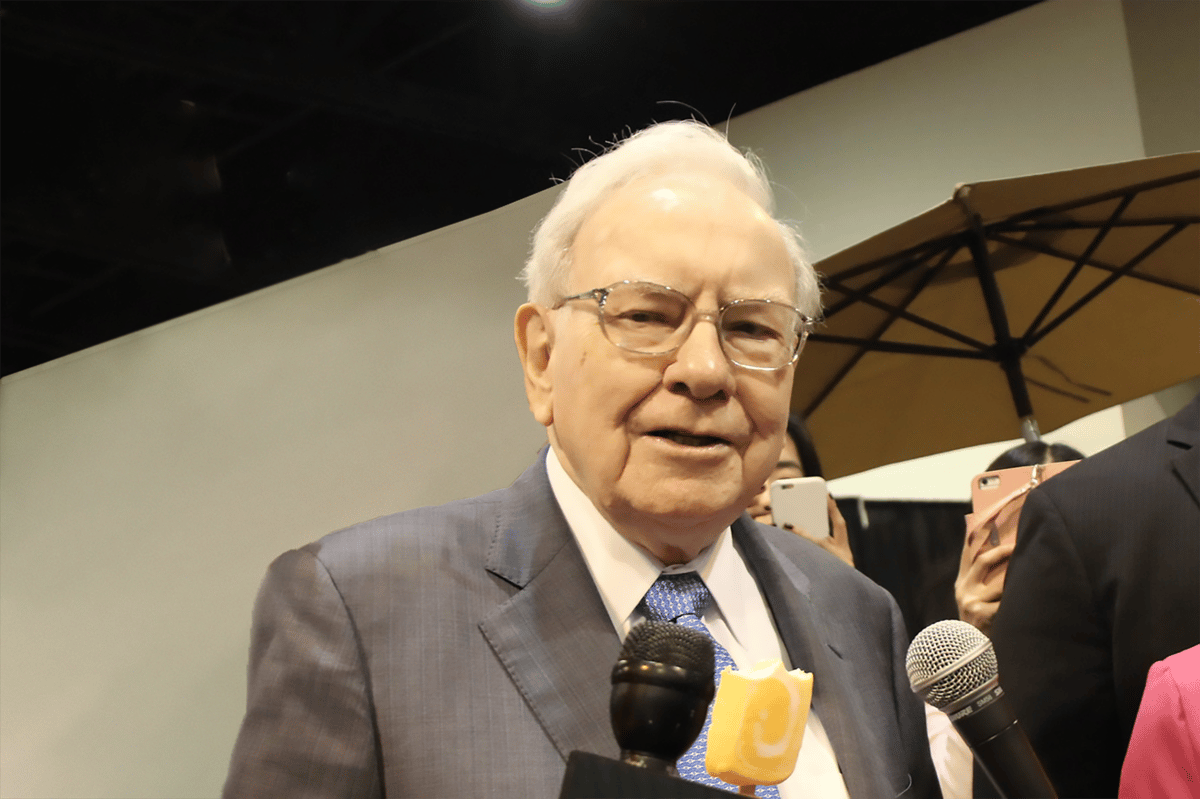
Warren Buffett has donated roughly $6 billion of Berkshire Hathaway stock to family foundations, and for the first time in two decades, the Bill & Melinda Gates Foundation did not receive any shares. The annual gift is one of the largest Berkshire shareholders have seen from the ‘Oracle of Omaha,’ yet it also pushes a familiar corporate governance question into the spotlight: if Berkshire's largest owner is giving away stock faster than the company can buy it back, will the cash pile eventually have to be handed to shareholders through dividends?
The donation was disclosed as part of Buffett's long-running plan to give away the vast majority of his Berkshire holdings. Since 2006, he has pledged to distribute nearly all of his wealth, mostly in Berkshire stock. The announcement stands out not only because of the size of the gift, but because it is the first time in twenty years that the Gates Foundation has been omitted from an annual transfer.
Key facts
- Warren Buffett donated about $6 billion of Berkshire Hathaway stock to family foundations.
- The Bill & Melinda Gates Foundation was not included, breaking a 20-year pattern.
- The recipients include the Susan Thompson Buffett Foundation, Sherwood Foundation, Howard G. Buffett Foundation, and NoVo Foundation.
- Berkshire Hathaway has not paid a regular dividend, and this donation could increase pressure to reconsider that policy.
A new phase of giving
Buffett's 2006 pledge was a landmark moment in modern philanthropy. He said he would give away more than 85 percent of his Berkshire stock to five foundations over time. The Bill & Melinda Gates Foundation was one of the main beneficiaries, alongside foundations connected to his children and his late wife. For many years, those annual gifts were a steady and visible part of Berkshire's ownership structure.
In recent years, however, Buffett's giving has become more focused. He stepped down from the Gates Foundation board in 2021, and his personal giving has shifted toward family-run entities. This year's omission of the Gates Foundation is not necessarily a sign of a falling out. Buffett has publicly said he admires Bill Gates and the work of the foundation. But the decision does mark a significant turning point. It signals that Buffett is now directing his charitable legacy almost entirely through his family's philanthropic vehicles.
The family foundations have different priorities. The Susan Thompson Buffett Foundation supports reproductive health and access to family planning. The Sherwood Foundation, led by his daughter Susan, focuses on early childhood education and social justice. The Howard G. Buffett Foundation funds agricultural development, food security, and conflict resolution. The NoVo Foundation, led by his son Peter and daughter-in-law Jennifer, works on gender equality and social and emotional learning. These are long-running organizations with professional staff, but they are now receiving a larger share of Buffett's annual gifts.
Why the Gates Foundation omission matters to Berkshire investors
At first glance, a charitable donation does not change the fundamentals of Berkshire Hathaway. The company's insurance, railroad, and energy businesses remain unchanged. The regulatory filing and gift announcement also do not alter Berkshire's earnings power or its competitive moat. But the identity of large shareholders can matter over time.
Berkshire has two classes of stock. Class A shares carry enormous voting and economic weight, while Class B shares are far more numerous and are the vehicle Buffett uses for donations. When Buffett gives away Class B shares, the recipient foundations become long-term institutional shareholders. Those foundations may have different objectives than Buffett. They may need liquidity to make grants, or they may prefer cash distributions over appreciation. That is where the dividend question enters the picture.
Foundations are required by law to spend at least 5 percent of their assets each year on charitable activities. When they hold non-dividend-paying stock, they must sell shares to raise cash. Selling shares creates supply in the market and can exert downward pressure on the stock price. Some large charitable owners pressure companies to pay dividends so that they can receive cash without selling their underlying holdings. The fact that Buffett's latest donation went to family foundations, rather than the Gates Foundation, means even more of the stock is now in the hands of charities that may eventually need cash.
Berkshire's cash pile and buyback history
Berkshire Hathaway has famously avoided paying a dividend for decades. Buffett has argued that retained earnings are more valuable if the company can reinvest them at attractive returns. When the company cannot find good opportunities, it has increasingly used share buybacks to return cash to shareholders. Berkshire has been an aggressive buyer of its own stock in recent years, especially when the price falls below what management considers intrinsic value.
The company's cash holdings have also grown to more than $300 billion, a massive amount even by Berkshire standards. While some of that cash is tied up in insurance reserves, a large portion is available for deployment. The lack of attractive large acquisitions has made it harder to put that cash to work. That has renewed the debate over whether Berkshire should finally pay a dividend or continue using buybacks.
For Berkshire investors, the choice between dividends and buybacks is not trivial. Dividends provide direct income but are generally taxable to shareholders. Buybacks reduce the number of shares outstanding and benefit those who hold their stock, but they do not provide cash for foundations. For tax-exempt foundations, dividends would be especially attractive because they would receive income without paying taxes or selling shares.
Does this change the investment case?
The investment case for Berkshire has never depended on a single shareholder, even if that shareholder is Warren Buffett. Berkshire is a collection of strong businesses, led by managers who have historically been disciplined with capital. The company's future success now rests more on Greg Abel, who is set to lead Berkshire after Buffett steps down, and on the investment team of Todd Combs and Ted Weschler. Buffett's charitable giving does not change the fundamental quality of those assets.
But investors also need to consider the changing ownership structure. For a company as closely associated with one person as Berkshire, the behavior of its largest shareholder can influence investor sentiment. Buffett's decision to continue giving away stock means his voting power will keep falling over time. That is a normal part of the succession process, but it adds a layer of uncertainty about how Berkshire will be governed in a post-Buffett era.
The absence of the Gates Foundation from this year's gift also raises questions about the long-term future of Berkshire's share count. Buffett has said he wants his Berkshire stock to be used for charitable purposes, and the foundation recipients are free to sell the shares they receive. If they sell, that puts shares into the market and could create headwinds for the stock price. On the other hand, Berkshire can offset some of that supply with its own buybacks. The company has shown that it is willing to repurchase shares when the price is below intrinsic value.
Dividend pressure may rise
The most direct implication of this donation is the potential for increased pressure to pay a dividend. Big shareholders, especially tax-exempt foundations, have a strong incentive to support cash distributions. Foundations need annual cash flow to fund their programs. If they hold large blocks of Berkshire stock and receive no dividends, they must sell shares. Selling shares reduces the size of their holdings and may result in capital gains taxes in some cases, although foundations generally have tax advantages.
A dividend would give those foundations a steady source of cash. It would also signal that Berkshire is shifting from an aggressive growth company into a more mature capital return vehicle. Some investors would welcome that shift. Others worry that a dividend would be less flexible than buybacks, because dividends commit the company to regular cash payments even in difficult economic conditions. Buffett has long preferred flexibility, which is why he has favored buybacks over committed payouts.
Still, the pressure cannot be ignored. As Buffett gives away more stock, foundations will accumulate larger stakes. If they coordinate or publicly ask for cash distributions, Berkshire's board may have to listen. Corporate boards have a fiduciary duty to shareholders, and major shareholders' preferences matter. This does not mean Berkshire will announce a dividend tomorrow, but it does mean the conversation is likely to become more prominent.
What investors should watch
Investors should watch several things in the coming quarters. First, watch Berkshire's buyback activity. If the company aggressively repurchases stock, it will signal that management still values retained capital and sees no better opportunities. Second, watch the hands of the family foundations. If they begin selling large blocks of donated shares, that could create short-term pressure on the stock price. Third, watch any comments from Buffett or Greg Abel about capital allocation. The topic of dividends may come up more often in investor meetings and annual letters.
It is also worth remembering that Buffett's donations are not spontaneous. He has been following a carefully structured plan for almost two decades. This latest gift, while notable because of the Gates Foundation's absence, fits within that plan. Berkshire's stock has survived decades of Buffett's charitable giving, and it is likely to survive this next round as well. The businesses underneath the holding company are still generating strong cash flows. The management bench is deeper than it has ever been.
The biggest change is that Berkshire's future is being shaped less by Buffett himself and more by the institutions that will own his shares. With the Gates Foundation no longer receiving stock, the family foundations are now a larger part of that future. They may not have Buffett's investing instincts, but they have a clear financial interest in seeing Berkshire succeed. Whether that interest translates into a demand for dividends remains to be seen. What is clear, however, is that the ownership transition at Berkshire is accelerating, and investors need to adjust their expectations accordingly.
Source: The Motley Fool News