

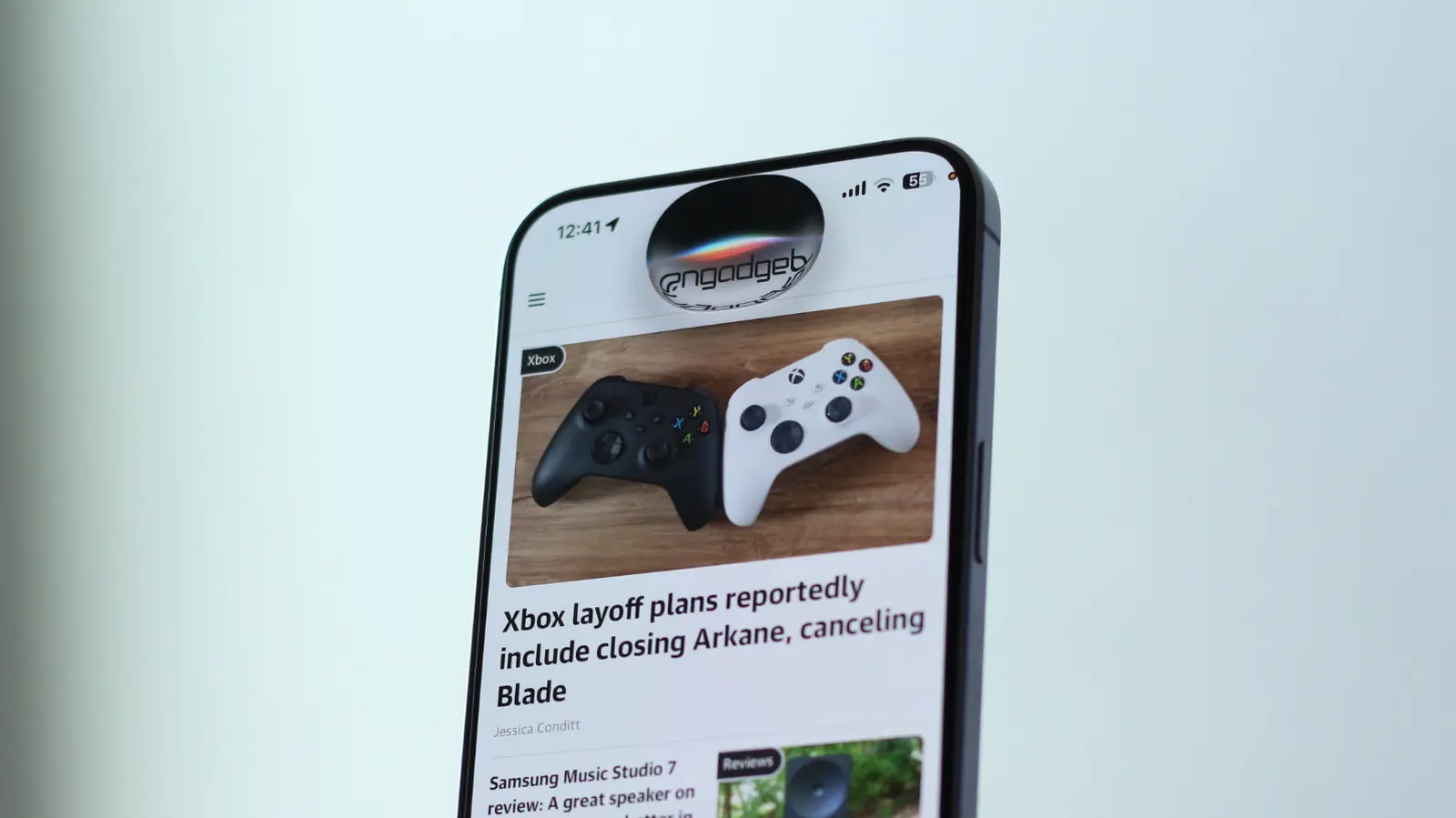
Siri, once the pioneer of virtual assistants, has long lagged behind competitors like Google Assistant and Amazon Alexa. Apple's initial promise of a supercharged Siri—part of its broader Apple Intelligence push—seemed to stall with the release of iOS 18 and iOS 19, leaving users frustrated. However, at WWDC 2026, Apple finally unveiled a significantly improved Siri AI, and hands-on experiences suggest it may live up to the long-held expectations. The new Siri can handle complex queries, chain multiple commands, and reference information from notes, messages, emails, and photos with contextual understanding. This leap is powered by newer Apple Foundation Models, some stored directly on the device for speed and privacy, while advanced requests are processed via Private Cloud Compute.
Compatibility is strictly limited to devices that support Apple Intelligence, which includes every iPhone released since the iPhone 15 Pro, along with iPads and Macs powered by Apple silicon. The 2024 iPad mini also qualifies due to its A17 Pro chip. Users can verify eligibility by checking the Settings app for an "Apple Intelligence & Siri" section. If present, their iPhone will receive the Siri AI upgrade with the stable release of iOS 27 this fall. Interestingly, Apple will first release the new assistant as a beta, requiring manual opt-in—similar to the waitlist used for earlier developer betas. This cautious rollout aims to refine the experience before wide deployment.
Hardware Requirements and Apple Intelligence
The decision to limit Siri AI to Apple Intelligence-capable devices stems from the demanding neural engine and memory requirements. Apple Intelligence relies on a combination of on-device processing and cloud-based reasoning. The on-device models require at least 8GB of RAM, a threshold met by the iPhone 15 Pro and later models. For the most advanced on-device capabilities, such as expressive voices, improved speech recognition, and more accurate dictation, Apple specifies a minimum of 12GB of RAM. This higher threshold is currently exclusive to the iPhone 17 Pro, iPhone 17 Pro Max, and the iPhone Air. The upcoming iPhone 18 Pro and the rumored iPhone Fold are also expected to meet this requirement, but the base iPhone 18—with a rumored 9GB of RAM—may not. Ming-Chi Kuo reported that Apple is considering increasing memory in non-Pro iPhones, but 9GB still falls short of 12GB, suggesting that the most powerful on-device AI features will remain a Pro-tier exclusive for the foreseeable future.
This stratification means that users with older devices (like iPhone 12 or 13) will not see any Siri AI improvements, even though they can run iOS 27. The broader iOS 27 compatibility extends back to the iPhone 11, but Apple Intelligence features, including the new Siri, are gated by hardware. This approach mirrors Apple's strategy with other AI-driven capabilities, such as on-device image processing and language understanding, which require the latest Neural Engine and enough system memory to run large models locally.
What Siri AI Can Do Now
During hands-on testing of early beta builds, Siri AI demonstrated remarkable speed and accuracy. It handles multi-step instructions—like "Find the recipe I saved last week, add the ingredients to my shopping list, and message my wife that I'll cook dinner"—flawlessly. The assistant understands context across apps: for example, it can reference a contact's address from Messages and a restaurant reservation from Mail to suggest a travel route. The on-device processing ensures that sensitive data, such as health information or personal notes, never leaves the phone unless necessary. When a query requires more computational power, Private Cloud Compute encrypts the data and processes it in a way that Apple claims is inaccessible to anyone, including Apple itself.
For users with iPhone 17 Pro or newer, Siri gains additional capabilities: expressive voices that sound more natural and less robotic, improved speech recognition even in noisy environments, and dictation that corrects contextual errors in real time. These enhancements rely on the larger on-device model that runs only on devices with 12GB of RAM. The base iPhone 17 and iPhone 15/16 Pro models, which have 8GB, still benefit from the general intelligence improvements but miss out on the advanced voice and recognition features.
Rollout and Beta Access
Apple plans to release the stable version of iOS 27 in September or October 2026, with Siri AI available as a beta feature. Users will likely need to opt in via the Apple Intelligence & Siri settings pane, similar to how developer betas required joining a waitlist. The beta phase will allow Apple to gather usage data and refine the assistant before a full rollout. Given the history of Apple Intelligence features having a rocky start—some were criticized as sloppy or not meaningfully improving the iPhone experience—the cautious approach for Siri AI seems wise. However, early impressions indicate that this feature finally delivers the assistant upgrade that users have expected for years.
The new Siri marks a turning point for Apple's AI strategy. While previous Apple Intelligence features like image tweaks and notification summaries felt gimmicky, Siri AI provides genuine utility. Its ability to understand natural language chains, maintain context, and protect privacy sets a new standard. As Apple continues to update its Foundation Models, the gap between Pro and non-Pro iPhones may widen, but for now, even the entry-level Apple Intelligence device (iPhone 15 Pro) will see a dramatic improvement. The only question remaining is whether the beta period will uncover any significant issues, but based on hands-on reports, the foundation is solid.
Source: Engadget News