

Football has always been about spectacle, but there are moments when the game goes beyond results and becomes culture. Few things have been as iconic as the hairstyles of certain players. Some were intentional, others unexpected, but all became part of football history. The World Cup, as the sport’s biggest stage, has produced countless unforgettable looks that tell stories far beyond mere fashion.
Ronaldo 2002: The Haircut Nobody Understood
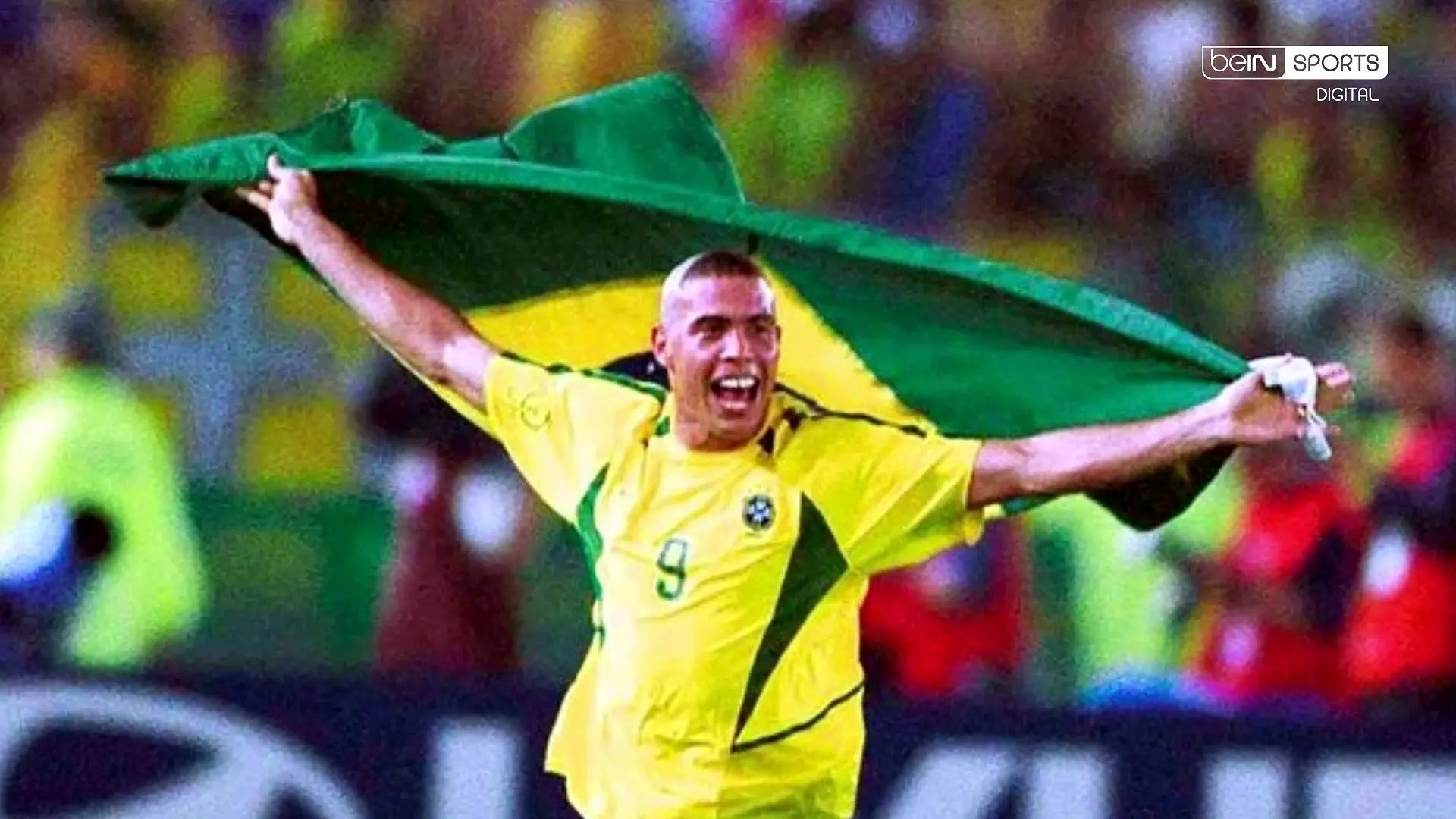
The most famous case is Ronaldo Nazário during the 2002 World Cup. His bizarre haircut, almost completely shaved with a small patch at the front, quickly became a global talking point. It looked strange, almost ridiculous, and yet it became unforgettable. Years later, Ronaldo revealed the real reason: he wanted to distract the media from a recent injury he had suffered. The strategy worked perfectly. Brazil went on to win the tournament, Ronaldo dominated the stage, and that haircut became legendary. What started as confusion turned into one of the most recognizable looks in sports history.
Ronaldo’s 2002 performance was nothing short of extraordinary. After suffering a career-threatening knee injury in 1999 and a subsequent relapse, many doubted whether he would ever return to his peak. The haircut served as a brilliant psychological move, shifting attention away from his physical condition and onto his impenetrable confidence. He scored eight goals in the tournament, including two in the final against Germany, securing Brazil’s fifth World Cup title. The image of Ronaldo celebrating with that peculiar hairstyle remains etched in the minds of fans worldwide.
Carlos Valderrama: When Hair Becomes Identity
Few players turned their image into a brand like Carlos Valderrama. His iconic blonde afro was impossible to ignore. During the World Cups of the 1990s, Valderrama could be identified instantly, even from distance. His look represented more than style. It embodied a different way of playing football: creative, expressive, and free. It also reflected a growing Latin American presence on the global stage. Valderrama’s afro became synonymous with Colombian football’s golden era, a time when the national team thrilled the world with its flair and unpredictability.
Valderrama was the midfield orchestrator for Colombia, known for his impeccable passing and vision. He played in three World Cups (1990, 1994, 1998) and his hair was as consistent as his performances. The afro required significant maintenance, but Valderrama embraced the attention it brought. He once joked that his hair was worth more than his car. Beyond the laughs, his hairstyle symbolized the individuality and joy that Latin American football brought to the world stage. It was a visual counterpoint to the often scripted and tactical European game, reminding everyone that creativity could still thrive.
Taribo West: Football Meets Art
Then there is Taribo West, who pushed the boundaries of expression. At France 98, his green braids with extensions became one of the most visually striking images of the tournament. It was not just a hairstyle; it was a statement. West was part of a bold Nigerian generation, full of flair and unpredictability. His look mirrored that energy. Every time he stepped onto the pitch, he stood out instantly. Green and white were the colors of the Nigerian flag, and West wore them proudly in his hair, turning his head into a canvas of national pride.
West was a powerful defender, known for his physicality and no-nonsense defending. But off the pitch, he was an artist. His braids evolved in color and complexity over his career, with the 1998 World Cup being the peak of his hair artistry. Alongside teammates like Jay-Jay Okocha and Nwankwo Kanu, West represented a new wave of African football that demanded attention. Their style and skill captivated audiences, and West’s hair became an enduring symbol of that vibrant era. It was a reminder that football could be both beautiful and bold.
Paul Gascoigne: The Mullet That Defined a Generation
English midfielder Paul Gascoigne, affectionately known as Gazza, sported a classic mullet during the 1990 World Cup. His hairstyle, business in the front and party in the back, perfectly matched his personality: unpredictable, creative, and full of chaos. Gascoigne’s mullet became iconic after his emotional tears during the semi-final against West Germany. That image of a crying boy with a mullet touched the hearts of millions and became a defining moment of the tournament. Gazza’s hair was more than a fashion choice; it was a badge of his working-class roots and a symbol of the raw passion he brought to the game.
The mullet was everywhere in the late 80s and early 90s, but Gascoigne made it his own. He played with an infectious joy and a reckless abandon that endeared him to fans. His performances in Italia 90, including a spectacular goal against Scotland and a brilliant assist against the Netherlands, made him a national hero. The mullet became inseparable from his legend. Even years later, when his career declined, people remembered that haircut and the magic it represented.
David Beckham: The Mohawk That Divided a Nation
David Beckham arrived at the 2002 World Cup with a mohawk haircut that sparked endless debate. The England captain had already established himself as a style icon, but this haircut was polarizing. Some saw it as a bold fashion statement; others thought it was an absurd distraction from the serious business of football. Beckham, however, used it to project confidence and rebellion. After his red card against Argentina in 1998 made him a national villain, the mohawk was a way of reclaiming his image and showing that he did not care about the critics.
Beckham’s performance in the 2002 World Cup was solid if not spectacular, but his haircut dominated headlines. He scored a penalty against Argentina, exorcising the demons of 1998, and led England to the quarterfinals. The mohawk became a talking point not just in England but around the world. It was a product of the growing relationship between football and fashion, a trend that Beckham helped pioneer. His ability to blend high-performance athletics with high-end style changed how players approached their public appearances.
Roberto Baggio: The Divine Ponytail
Italian superstar Roberto Baggio was known for his elegant play and his distinctive ponytail. During the 1994 World Cup, Baggio’s ponytail danced behind him as he single-handedly carried Italy to the final. His hair was almost as famous as his silky skills and devastating finishing. The ponytail became a signature, often tied with a black or white ribbon. It added to his mystical aura, earning him the nickname “The Divine Ponytail.” Baggio’s hairstyle was understated compared to others, but it was no less iconic.
The 1994 final was both Baggio’s greatest triumph and his most painful memory. He missed the decisive penalty in the shootout against Brazil, handing the trophy to his opponents. The image of a dejected Baggio, ponytail still perfect, standing alone at the end, became one of the most haunting moments in World Cup history. His ponytail remained through it all, a symbol of grace under pressure. Baggio’s style influenced a generation of Italian footballers who adopted long hair, carrying on his legacy.
Maradona: The 80s Curls That Ruled the World
Diego Maradona’s curly black hair was as iconic as his left foot. In the 1986 World Cup, Maradona’s flowing curls bounced with every dribble as he tore through defenses. His hair was untamed, much like his genius on the pitch. It symbolized his Argentine heritage and his street-football upbringing. Maradona never needed gimmicks; his hair was simply a natural part of his image. Yet it became instantly recognizable. The image of Maradona lifting the World Cup trophy with his curls flying in the air is one of the most celebrated in sports history.
Maradona’s career was full of highs and lows, but his hair remained a constant. It grew longer over the years, becoming a marker of his aging. In the 1994 World Cup, a more mature Maradona with longer hair still showed flashes of brilliance before being sent home after a failed drug test. His hairstyle mirrored his journey: wild, rebellious, and unforgettable. Maradona proved that you do not need an outrageous cut to be iconic; sometimes, natural charisma is enough.
These players are not exceptions. Every World Cup introduces personalities who understand that image matters. Some do it intentionally, others naturally, but the impact is the same: they become unforgettable. From Ronaldo’s deliberate distraction to Valderrama’s proud afro, from West’s Green braids to Gascoigne’s mullet, each haircut tells a story of identity, creativity, and the human side of football. The World Cup is as much about style as it is about skill, and these hairstyles have earned their place in the pantheon of sports history.
Source: beIN SPORTS News