

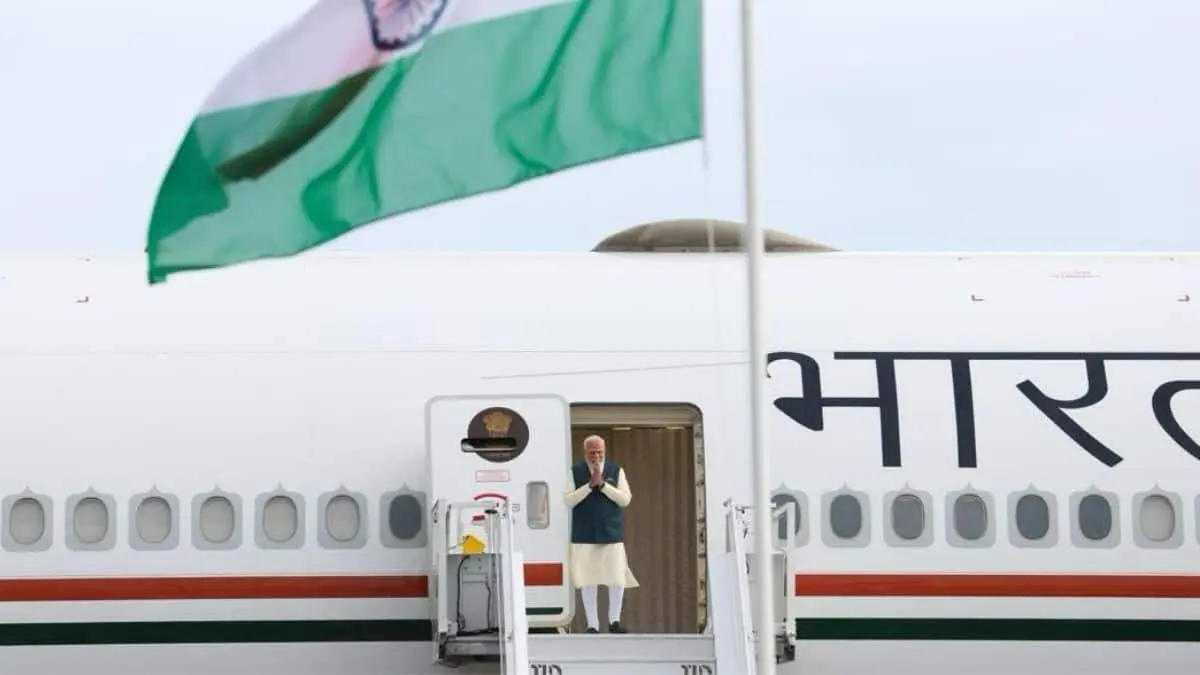
Prime Minister Narendra Modi is set to embark on a five-nation tour of Europe, covering the Netherlands, Sweden, Norway, and Italy, in a move that underscores India’s growing engagement with the European Union. The visit, scheduled for May 2026, comes at a time when global geopolitics are shifting rapidly, and India is looking to diversify its partnerships beyond traditional allies. The European tour is expected to yield significant dividends in trade, technology, energy, and strategic cooperation.
Strategic Importance of the Visit
India’s relationship with Europe has deepened over the past decade, driven by shared concerns over security, climate change, and economic resilience. The Modi government has actively pursued a multi-aligned foreign policy, balancing ties with the United States, Russia, and China while strengthening engagement with the European Union. This visit is part of that broader strategy, aiming to leverage European expertise in areas where India needs rapid growth, such as clean energy, digital infrastructure, and innovation.
Each of the four countries on the itinerary offers unique opportunities. The Netherlands is India’s third-largest trading partner within the EU and a gateway for Indian companies into Europe. Sweden is a global leader in innovation and sustainable technology. Norway, with its Arctic expertise and vast renewable energy resources, is key for India’s green transition. Italy, a major EU economy, shares deep cultural and historical ties with India and has emerged as a strategic partner in defence and infrastructure.
Netherlands: Trade and Water Management
The Netherlands is India’s largest trading partner in the EU after Germany and France, with bilateral trade exceeding $27 billion in 2025. Dutch companies have invested heavily in India, particularly in logistics, agriculture, and water management. PM Modi’s visit is expected to focus on expanding cooperation in water technology, a critical area for India as it grapples with water scarcity and flooding. The Netherlands is a world leader in water management, and Indian states like Kerala and Gujarat have already benefited from Dutch expertise.
Additionally, the two sides are likely to sign agreements on smart cities, renewable energy, and digital governance. The Netherlands is also a major hub for Indian IT firms, and the visit could pave the way for greater collaboration in artificial intelligence and cybersecurity. For India, the Netherlands serves as a bridge to the rest of Europe, and strengthening ties here can amplify India’s presence on the continent.
Sweden: Innovation and Clean Energy
Sweden is renowned for its innovation ecosystem, with companies like Ericsson, Volvo, and IKEA having deep roots in India. The visit to Sweden will be significant for boosting cooperation in clean energy, electric mobility, and startups. India has set ambitious targets for renewable energy, and Sweden’s expertise in biofuels, hydrogen, and grid technology can help accelerate this transition.
PM Modi is expected to address the Swedish-Indian business summit, where leaders from both countries will discuss investment opportunities. The ‘India-Sweden Innovation Partnership’ launched in 2018 has already yielded results, with joint projects in waste-to-energy, smart grids, and sustainable transport. The visit could see new agreements in circular economy and green finance. Sweden’s commitment to carbon neutrality by 2045 aligns with India’s net-zero target of 2070, making collaboration natural.
Another key area is defence: Sweden is a major arms exporter, with the Gripen fighter jet being a contender for India’s future fighter requirements. While no immediate deals are expected, the visit could lay the groundwork for deeper defence industrial cooperation.
Norway: Arctic and Renewable Energy
Norway’s inclusion in the tour highlights India’s growing interest in the Arctic region. As an observer in the Arctic Council, India has been expanding its scientific research in the Arctic, particularly through the Himadri research station. PM Modi’s visit to Norway is expected to strengthen cooperation in polar science, maritime affairs, and climate change research.
Beyond the Arctic, Norway is a global leader in renewable energy, especially hydropower and offshore wind. India’s ambitious offshore wind targets can benefit from Norwegian technology and investment. Norwegian pension funds are among the largest investors globally, and the visit could encourage more capital flows into Indian renewable projects. Additionally, Norway’s expertise in carbon capture and storage (CCS) could help India reduce emissions from its coal-based power plants.
The two countries also share a common interest in ocean governance. India has a long coastline and relies heavily on fisheries and maritime trade. Norway’s experience in sustainable fisheries and port development can be valuable for India’s Blue Economy initiatives.
Italy: Defence and Cultural Ties
Italy rounds off the tour, offering a blend of cultural affinity and strategic depth. India and Italy have historically enjoyed strong ties, and the relationship has been revitalised in recent years under PM Modi and former Prime Minister Giorgia Meloni. Defence cooperation is a key pillar, with Italy supplying naval systems and helicopter engines to India. The visit is likely to focus on expanding defence industrial collaboration, including co-development of military platforms.
Italy is also a major investor in India’s infrastructure sector, with companies like Enel and Maire Tecnimont active in energy and engineering. The two sides are expected to sign agreements on clean hydrogen, railway modernisation, and space cooperation. Italy’s advanced manufacturing base can support India’s ‘Make in India’ initiative, especially in aerospace and automotive components.
Culturally, India and Italy have ancient connections dating back to the Roman era. The visit will include events showcasing Indian art and Bollywood films, strengthening people-to-people ties. Over 500,000 Indian tourists visit Italy each year, and the opening of a new Indian cultural centre in Rome is expected during the visit.
Beyond Bilateral: India-EU Relations
While each country offers distinct benefits, the overall visit is also about strengthening India’s relationship with the European Union as a bloc. The EU is India’s largest trading partner, and negotiations for a free trade agreement (FTA) have been ongoing. PM Modi’s visit to four key EU member states is likely to inject new momentum into these talks. The EU is also drafting its Indo-Pacific strategy, and India’s role as a security provider in the Indian Ocean region is increasingly recognised.
Energy security will be a major theme. Europe is diversifying away from Russian energy, and India is emerging as a hub for green hydrogen. There is growing interest in an India-EU green hydrogen corridor, and this visit could lead to pilot projects. Similarly, digital cooperation, including data governance and 5G security, will be on the agenda.
Climate finance is another area where India expects gains. Developed countries have pledged $100 billion annually for climate action, but disbursements have been slow. PM Modi is likely to push for enhanced climate finance and technology transfer during his meetings.
Expected Outcomes
By the end of the tour, India expects to sign over a dozen agreements covering trade, investment, defence, energy, and culture. The visit will also see the launch of several business delegations and investment forums. For PM Modi, the trip is an opportunity to showcase India as a reliable partner and a fast-growing market at a time when Europe is seeking to reduce reliance on China.
Analysts say the visit will enhance India’s strategic autonomy, allowing it to balance relations with major powers while pursuing its national interests. The New Delhi’s objective is clear: diversify alliances, secure advanced technology, and attract long-term investment to fuel its growth story.
Context and Challenges
The Europe visit comes amid heightened global tensions due to the Iran-Israel war and the ongoing Russia-Ukraine conflict. India has maintained a neutral stance on many issues, walking a tightrope between its traditional partner Russia and its Western allies. The visit will test India’s ability to maintain this balancing act while extracting maximum benefit from its European partners.
Additionally, the upcoming general elections in India later in 2026 mean that PM Modi’s foreign policy achievements will be closely scrutinised. A successful tour can boost his credentials as a global statesman, while any missteps could be used by the opposition. On the European side, there is growing concern over democratic values and human rights in India, but economic interests are likely to outweigh such concerns.
Historical Ties and Future Prospects
India’s relations with each of these countries go back decades. The Netherlands established diplomatic ties with India in 1947, and the two have collaborated extensively on water and agriculture. Sweden was one of the first countries to recognise India’s independence, and innovation collaborations surged after the 2000s. Norway helped India set up its Hydrographic Survey and has supported the ‘India-Norway Marine Initiative’. Italy’s maritime republics traded with Indian ports since the Middle Ages, and modern ties have grown robustly since the 1990s economic liberalisation.
Looking ahead, these partnerships are set to deepen. India’s demand for clean energy, technology, and investment will only grow, and Europe is well-placed to supply them. The visit could also pave the way for reciprocal visits by European leaders and more frequent summit-level engagements.
India’s foreign policy establishment sees this Europe visit as a stepping stone towards a comprehensive strategic partnership with the European Union. The immediate gains may be in the form of memoranda of understanding and investment pledges, but the long-term objective is to create a framework for sustained cooperation in technology, defence, and climate change. With the world order in flux, New Delhi is betting on a multi-pronged approach — and Europe is a critical piece of the puzzle.
Source: Firstpost News