

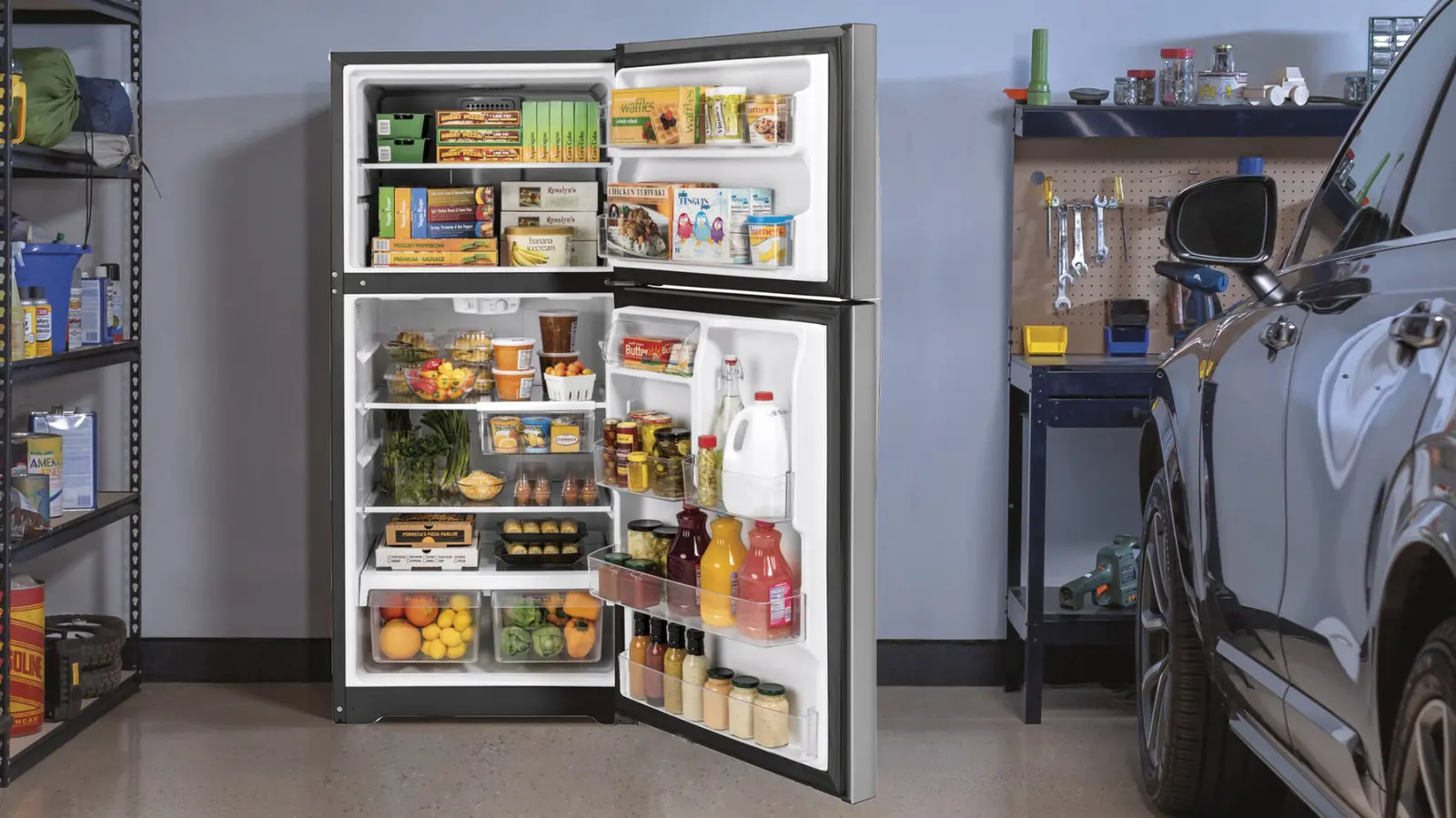
Refrigerators may all share the same fundamental purpose—keeping food cold—but the modern appliance market offers an astounding variety of features, sizes, and specialties. Among the terms that often confuse shoppers is “garage-ready.” While mainstream refrigerators are built for climate-controlled kitchens, a garage-ready refrigerator is engineered to withstand the wild temperature swings typical of garages, sheds, workshops, and other unconditioned spaces. Understanding what makes these units different, and whether you actually need one, can save you from costly mistakes, spoiled groceries, and premature appliance failure.
What Exactly Is a Garage-Ready Refrigerator?
A garage-ready refrigerator is a refrigerator or freezer that has been designed and tested to operate reliably across a broader range of ambient temperatures than a standard kitchen refrigerator. Standard refrigerators are typically rated for indoor environments where the temperature rarely falls below 60°F or rises above 90°F. In contrast, a garage-ready model can function properly in temperatures as low as 38°F and as high as 110°F for refrigerators, and from 0°F to 110°F for freezers.
The secret lies in the components. Garage-ready units use different refrigerants, more robust compressors, and improved insulation that can handle the thermal stress of extreme heat and cold. Some also include heating elements or specially designed thermostats to prevent the refrigerant from condensing in the wrong places when the ambient temperature is very low. Without these modifications, a standard refrigerator's compressor may fail to start, run continuously, or shut off prematurely when the garage temperature dips below freezing or soars above 100°F.
How Do They Work in Hot and Cold Weather?
In hot weather, the primary challenge is the compressor and cooling system's ability to shed heat. A standard refrigerator relies on the relatively cool ambient air in a kitchen to help dissipate the heat removed from inside the cabinet. In a scorching garage, the refrigerant may not be able to release heat efficiently, causing the compressor to run longer and hotter. This can lead to inadequate cooling inside the fridge and even compressor burnout. Garage-ready units are equipped with higher-grade fans, condensers, and sometimes oversize compressors to cope with this extra heat load.
In cold weather, the problem is different. When the garage temperature drops below about 60°F, the refrigerant inside the standard fridge may not vaporize properly, causing the compressor to cycle incorrectly or not start at all. This can actually make the inside of the refrigerator rise to unsafe temperatures because the cooling system isn't running enough. Garage-ready refrigerators often feature a cold-weather start kit, a low-ambient kit, or a dedicated “garage mode” that can be manually activated to adjust the thermostat and ensure proper cycling even when the garage is near freezing.
What Happens If You Put a Standard Refrigerator in an Unconditioned Garage?
The consequences are more severe than many homeowners realize. During hot summer months, a non-garage-ready fridge placed in a garage that reaches 100°F or more may struggle to maintain a safe internal temperature of 40°F or below. Perishable items like dairy, meat, and leftovers can spoil quickly, posing a health risk. Even if the temperature stays borderline, the compressor will run almost constantly, dramatically increasing electricity consumption. Homeowners often report their energy bills spike by 30-50% when a standard fridge is forced to work in an overly warm environment.
Over time, the constant strain wears down the compressor and other mechanical parts, potentially cutting the appliance's lifespan by half. Instead of lasting 12 to 20 years, a standard refrigerator in a garage might fail after only 3 to 5 years. In cold weather, the opposite occurs: the fridge may not run enough, allowing the interior temperature to rise above safe levels. Additionally, frozen foods in the freezer compartment can partially thaw and refreeze, degrading quality and causing ice crystals to damage packaging.
Features to Look for When Buying a Garage-Ready Refrigerator
If you decide to purchase a garage-ready refrigerator, there are several features worth considering. First, check the rated ambient temperature range. Not all garage-ready models are created equal. Some are only rated for temperatures as low as 40°F, while others can handle down to 32°F or even 0°F. For most garages in temperate climates, a range of 38°F to 110°F is adequate, but if you live in an area with extreme cold, look for a model specifically labeled as “low-ambient” or “garage-ready for cold climates.”
Second, examine the type of cooling system. Manual-defrost freezers are often more tolerant of cold temperatures than auto-defrost models because they don't rely on periodic heating cycles that can fail in cold environments. If you plan to store mostly frozen items, a chest freezer or upright freezer labeled garage-ready is often a better investment than a combination refrigerator-freezer.
Third, look for a dedicated “garage mode” switch or setting. Many modern garage-ready refrigerators include a button that changes the thermostat calibration or enables a heater to keep the compressor crankcase warm during cold weather. Read the owner's manual carefully to understand when and how to use this feature, as activating it at the wrong time can waste energy.
Popular Brands and Models
Major appliance manufacturers such as Whirlpool, Frigidaire, GE, LG, and Samsung offer garage-ready models. Whirlpool's “Garage-Refrigerator” line includes models with a temperature range of 38°F to 110°F and an optional cold-weather kit. Frigidaire offers “Garage Ready” top-freezer refrigerators with a similar range. For freezers, brands like GE and Danby produce chest freezers specifically designed for cold garages. It is important to verify the specifications on the product label or the manufacturer's website, because not all models within a brand's lineup are garage-ready. Some retailers may simply list a standard refrigerator as “garage-ready” erroneously, so always check the detailed spec sheet.
Installation Tips and Considerations
Even a garage-ready refrigerator needs proper installation to perform well. Place the unit away from direct sunlight, as direct heat can overwhelm its cooling system. Ensure there is adequate airflow around the condenser coils, which are usually at the bottom or back of the fridge. If the garage is dusty, clean the coils every six months to prevent overheating. For garages that experience freezing temperatures, consider using a voltage monitor to ensure consistent power, and if the model requires a garage mode, turn it on when the temperature is expected to drop below 50°F.
Also, be aware that garage-ready refrigerators are not necessarily energy-efficient in mild conditions. Because they are built for extremes, their compressors and insulation may be less efficient than a standard Energy Star-rated kitchen fridge. However, the trade-off is worth it for reliable performance in harsh environments.
Alternatives to Garage-Ready Refrigerators
If your garage is relatively well-insulated or if you only need extra cold storage for a few months a year, you might get away with a standard refrigerator as long as you monitor the temperature closely and accept the risks. Some people use a portable thermometer with remote monitoring to keep an eye on internal temperatures. However, this approach is not recommended for long-term use or if the garage temperature frequently exceeds 100°F or drops below 60°F.
Another option is to climate-control the garage itself. Adding insulation to walls and a garage door, sealing gaps, and installing a heating/cooling mini-split system can turn the garage into a conditioned space, allowing any standard refrigerator to work. This is a more expensive upfront investment but can also make the garage more comfortable for other uses.
Understanding the Science: Refrigerant and Thermodynamics
To fully appreciate why garage-ready refrigerators exist, it helps to understand the basic refrigeration cycle. A refrigerator moves heat from its interior to the outside by compressing and expanding refrigerant gas. The compressor raises the pressure and temperature of the refrigerant, then passes it through condenser coils where it releases heat to the surrounding air. The high-pressure liquid then goes through an expansion valve, dropping its pressure and temperature, and then flows through evaporator coils inside the cabinet, absorbing heat and cooling the interior.
Standard refrigerants like R-134a or R-600a have specific boiling points and pressure-temperature relationships. In a cold garage, the refrigerant may not vaporize in the evaporator at the low pressure required, causing liquid refrigerant to return to the compressor (liquid slugging) and potentially damaging it. In a hot garage, the condenser cannot reject heat efficiently because the temperature difference between the refrigerant and the ambient air is too small, leading to high discharge pressure and compressor overload. Garage-ready units use refrigerants with wider operating ranges, oil additives, and sometimes electronic expansion valves that adjust to ambient conditions.
Safety Considerations
Beyond food safety, there are other risks. If a standard refrigerator fails to start on a very cold day, the compressor may draw high starting current and trip a breaker or damage the start relay. Some older refrigerators left in garages have been known to catch fire due to overheating compressors or frayed wiring caused by prolonged running in hot conditions. Garage-ready models are tested for these scenarios and include additional safety components like thermal overload protectors.
Also, consider that garages often have more dust, humidity, and pests than a kitchen. Garage-ready refrigerators typically have sealed condensers to prevent dust buildup, and their exterior finishes are more resistant to scratching and corrosion. If you live in a humid area, a garage-ready refrigerator will likely handle condensation better on the exterior.
Myths and Misconceptions
One common myth is that all refrigerators automatically adjust to any ambient temperature. In reality, standard refrigerators are calibrated for a narrow range, and even if the compressor runs, the cooling capacity may be reduced. Another myth is that adding a space heater near the refrigerator in winter will help. This is dangerous and wastes energy; the heater could overheat the compressor or create a fire hazard. A properly designed garage-ready fridge needs no external heating.
Some people believe that “garage-ready” is just a marketing term with no real engineering difference. Independent tests by consumer organizations show that standard refrigerators placed in extreme conditions often fail to maintain food-safe temperatures, whereas garage-ready models pass the same tests. The distinction is real and backed by standards like UL (Underwriters Laboratories) temperature testing.
How to Decide If You Need a Garage-Ready Refrigerator
Start by assessing your garage's typical temperature range over a full year. Stick a max-min thermometer in the garage for a few months and record the extremes. If the temperature stays between 60°F and 90°F year-round, you might not need a garage-ready model. But if it dips below 50°F in winter or climbs above 95°F in summer, invest in a garage-ready unit. For freezers, the threshold is lower: if the garage ever drops below 32°F, a standard freezer may fail to hold subzero temperatures.
Also consider the length of power outages. Garages are often on circuits with other high-draw appliances or tools, so a garage-ready model with better insulation can keep food cold longer during outages. Some models include alarms or diagnostic indicators that alert you to abnormal operating conditions, which is especially useful if the garage is not frequently visited.
In the end, the extra cost of a garage-ready refrigerator—typically $100 to $300 more than a comparable standard model—is a small price for peace of mind, reliable performance, and extended lifespan. Whether you are storing excess groceries, beverages, or frozen game, knowing that your appliance can handle whatever the weather throws at it is invaluable.
Source: SlashGear News