

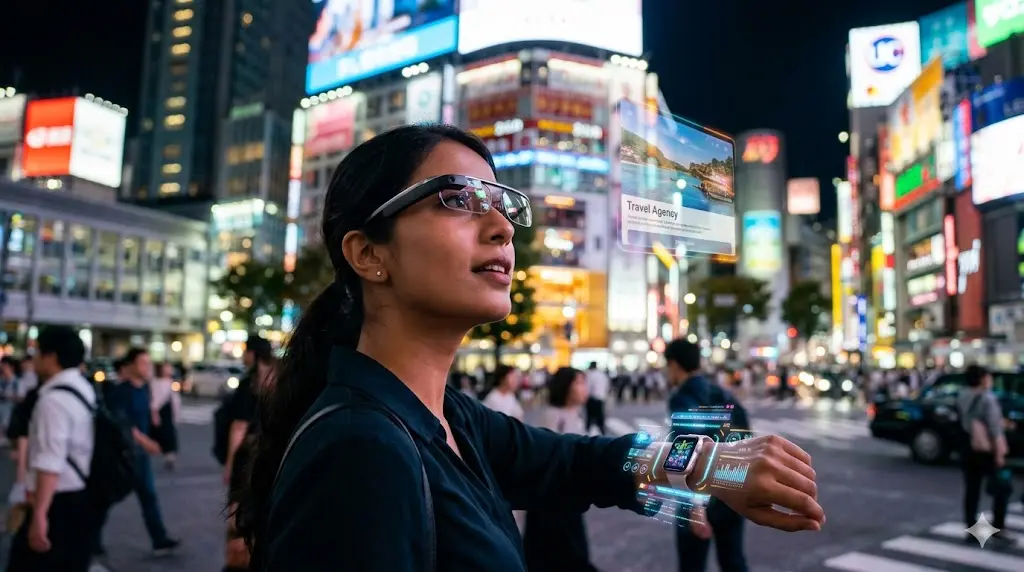
Why wearable technology is transforming digital advertising worldwide comes down to one simple reality: consumers are spending more time connected to smart devices they wear every day. Smartwatches, fitness trackers, smart glasses, and health-monitoring wearables are giving brands access to highly personalized engagement opportunities that traditional advertising never offered.
Wearable technology is transforming digital advertising worldwide because it allows brands to deliver highly personalized, real-time, and behavior-driven marketing experiences. Companies can now engage consumers through location-based notifications, health data insights, voice interaction, and instant mobile connectivity in ways that feel more direct and interactive.
What Is Wearable Technology in Digital Advertising?
Wearable technology in digital advertising refers to smart electronic devices worn on the body that collect user data and create personalized advertising opportunities through real-time interaction.
These devices include:
Smartwatches
Fitness bands
Smart rings
Augmented reality glasses
Health-monitoring wearables
Here's the thing most marketers didn't expect a decade ago: wearable devices are no longer niche gadgets for tech enthusiasts. They've become part of daily routines.
People now check smartwatches before smartphones in many situations. Notifications, reminders, fitness tracking, payments, and even shopping interactions happen through wearable devices throughout the day.
That changes advertising completely.
Instead of competing for attention through crowded social feeds or banner ads, brands can communicate through smaller, more context-driven experiences.
In my experience, this shift matters because consumers are getting tired of interruptive advertising. Wearables create shorter, more relevant interactions that feel less intrusive when done properly.
Why Does Wearable Technology Advertising Matter in 2026?
Wearable technology advertising matters in 2026 because consumers expect faster, more personalized digital experiences.
Traditional advertising still exists, obviously, but engagement patterns are changing quickly.
Modern users want:
Personalized recommendations
Real-time updates
Seamless interactions
Minimal distractions
Relevant notifications
Wearable devices help brands deliver those experiences almost instantly.
Real-Time Consumer Data Is Changing Marketing
Wearables generate behavioral insights continuously.
Brands can analyze:
Activity patterns
Location behavior
Shopping habits
Health interests
Daily routines
This allows marketers to create campaigns based on real-world actions instead of broad assumptions.
What most people overlook is that timing often matters more than the advertisement itself.
A restaurant promotion delivered after a workout session or during lunch hours might perform far better than random display advertising shown hours later.
Consumers Spend More Time in Connected Ecosystems
People interact with multiple connected devices every day.
Smartphones, wearables, voice assistants, and connected home devices now operate together as a digital ecosystem.
That means advertising is becoming less isolated and more integrated into daily life.
Oddly enough, the most effective wearable advertising often feels almost invisible.
Short reminders, health-based recommendations, loyalty updates, and contextual alerts usually outperform aggressive promotional messages.
Health and Fitness Data Creates New Advertising Segments
Fitness-focused wearables have opened entirely new audience categories.
Brands can now target users interested in:
Wellness products
Athletic gear
Healthy food
Sleep improvement
Mental wellness apps
This creates highly focused advertising opportunities.
At least from what I've seen, wellness-focused advertising tends to perform especially well because consumers already associate wearables with self-improvement.
Expert Tip
Brands should avoid overwhelming users with constant notifications. Wearable advertising works best when it feels timely and genuinely useful rather than repetitive.
How Are Brands Using Wearable Technology for Advertising ?
Companies using wearable advertising successfully usually follow a structured personalization strategy rather than simply repurposing smartphone ads.
1: Analyze Consumer Behavior Patterns
Wearable devices generate continuous behavioral insights.
Marketers first study:
Activity timing
User preferences
Device interaction frequency
Location patterns
Lifestyle habits
This data helps brands understand when users are most likely to engage.
Without behavioral timing, wearable advertising often feels random.
2: Personalize Advertising Messages
Generic wearable advertisements rarely perform well.
Successful campaigns tailor notifications based on:
User activity
Health goals
Shopping behavior
Geographic location
Time of day
For example, a sportswear company might send recovery product recommendations after workout completion data indicates intense physical activity.
That kind of targeting feels more relevant because it connects directly to user behavior.
3: Create Short-Form Interactions
Wearable screens are smaller than smartphones.
This changes content strategy dramatically.
Brands must create:
Brief notifications
Quick offers
Voice-friendly interactions
Minimal text messaging
Fast-loading experiences
Long promotional content usually performs poorly on wearable devices.
4: Integrate With Mobile Ecosystems
Wearables rarely work independently.
Most advertising experiences connect with smartphones, mobile apps, and cloud systems.
A wearable notification might trigger:
Mobile app engagement
Product recommendations
Loyalty rewards
Personalized offers
This cross-device interaction improves conversion opportunities.
5: Respect Privacy Expectations
Consumers are increasingly cautious about personal data.
Health information, location tracking, and behavioral analysis raise privacy concerns quickly.
Brands need transparent communication regarding:
Data collection
User permissions
Notification frequency
Personalization practices
Trust affects wearable engagement heavily.
Expert Tip
Permission-based advertising performs much better on wearable devices. Consumers engage more positively when they feel in control of notifications and personalization settings.
Common Mistake: Treating Wearable Ads Like Smartphone Ads
Many companies fail with wearable advertising because they simply shrink traditional ads onto smaller screens.
That approach rarely works.
Wearable technology requires different thinking entirely.
People use wearables for speed and convenience. They don't want lengthy marketing interruptions while checking health metrics or receiving notifications.
Here's my hot take: wearable advertising should feel more like a helpful assistant than a salesperson.
The brands succeeding right now are the ones focusing on utility first and promotion second.
What Marketing Strategies Actually Work for Wearable Technology?
Some wearable marketing strategies consistently outperform others because they align with user behavior more naturally.
Context-Based Notifications
Timing changes everything.
A coffee promotion sent during morning commuting hours feels more relevant than the same message delivered late at night.
Context-based advertising improves engagement because it matches real-world situations.
Voice Search and Audio Advertising
Voice-enabled wearables are growing rapidly.
Consumers increasingly use voice assistants for:
Product searches
Local recommendations
Shopping reminders
Quick purchases
This creates opportunities for conversational advertising formats.
Health and Wellness Partnerships
Fitness and wellness industries benefit heavily from wearable integration.
Brands offering:
Fitness programs
Nutrition services
Health subscriptions
Wellness coaching
can build stronger engagement through wearable ecosystems.
One realistic example involves a fitness app partnering with a sports nutrition brand to deliver post-workout supplement recommendations directly through smartwatch notifications.
That kind of partnership feels naturally connected to user behavior.
Loyalty Program Integration
Wearables simplify loyalty engagement significantly.
Customers can receive:
Reward updates
Personalized discounts
Location-based offers
Membership reminders
without needing to open separate apps constantly.
Expert Tip
Wearable advertising campaigns should prioritize simplicity. One useful notification usually performs better than multiple promotional alerts competing for attention.
Real-World Example of Wearable Advertising Success
Imagine a global retail fitness brand struggling with declining mobile ad engagement.
Initially, the company relied heavily on traditional app notifications and social media promotions. Click-through rates remained average, and customer retention started dropping.
After researching wearable user behavior, the brand changed strategy:
Introduced smartwatch workout reminders
Sent recovery-focused product suggestions
Created wearable loyalty rewards
Added voice-assisted shopping features
Personalized timing based on activity data
Within months, engagement rates improved noticeably.
What made the difference wasn't aggressive advertising. It was relevance.
Consumers interacted more because the brand fit naturally into existing routines.
Honestly, that's probably the biggest lesson wearable marketing teaches.
What Does Consumer Behavior Research Reveal About Wearable Advertising?
Consumer behavior research around wearable devices reveals several interesting trends.
Convenience Drives Engagement
Users prefer quick interactions over lengthy advertising experiences.
Fast access improves response rates.
Personalization Increases Trust
Relevant notifications generally perform better than broad advertising campaigns.
Consumers expect wearable experiences to feel customized.
Privacy Concerns Affect Participation
People engage more when brands explain data usage transparently.
Lack of transparency creates skepticism quickly.
Emotional Relevance Matters
Wellness-focused wearable campaigns often generate stronger emotional connection because they align with personal improvement goals.
That emotional layer matters more than many marketers realize.
Expert Tip
Brands should test wearable advertising gradually rather than flooding users with notifications immediately after opt-in.
People Most Asked About Why Wearable Technology Is Transforming Digital Advertising Worldwide
What is wearable technology advertising?
Wearable technology advertising involves delivering personalized marketing experiences through devices like smartwatches, fitness trackers, and smart glasses.
Why are wearable devices important for marketers?
Wearables provide real-time consumer insights and allow highly targeted advertising based on activity, behavior, and location data.
Are consumers comfortable with wearable advertising?
Most consumers accept wearable advertising when it feels useful, personalized, and transparent rather than intrusive or excessive.
Which industries benefit most from wearable advertising?
Fitness, healthcare, retail, travel, wellness, and technology industries often see strong engagement through wearable-based campaigns.
How does wearable advertising improve personalization?
Wearable devices track behavioral patterns that help brands deliver context-driven recommendations and timely interactions.
What are the biggest challenges in wearable advertising?
Privacy concerns, notification fatigue, and poor personalization strategies are among the biggest challenges brands face.
Will wearable advertising replace traditional digital advertising?
Probably not completely. Instead, wearable advertising is becoming an additional layer within broader connected marketing ecosystems.
How can small businesses use wearable advertising?
Small businesses can use wearable-friendly loyalty programs, location-based promotions, and personalized mobile integrations to improve customer engagement.
Businesses looking to improve brand visibility, SEO ranking, and organic traffic can strengthen digital reach through business press release services combined with citation building services that support instant publishing, high authority backlinks, stronger media coverage, and targeted online visibility for agencies, startups, bloggers, and growing brands.