

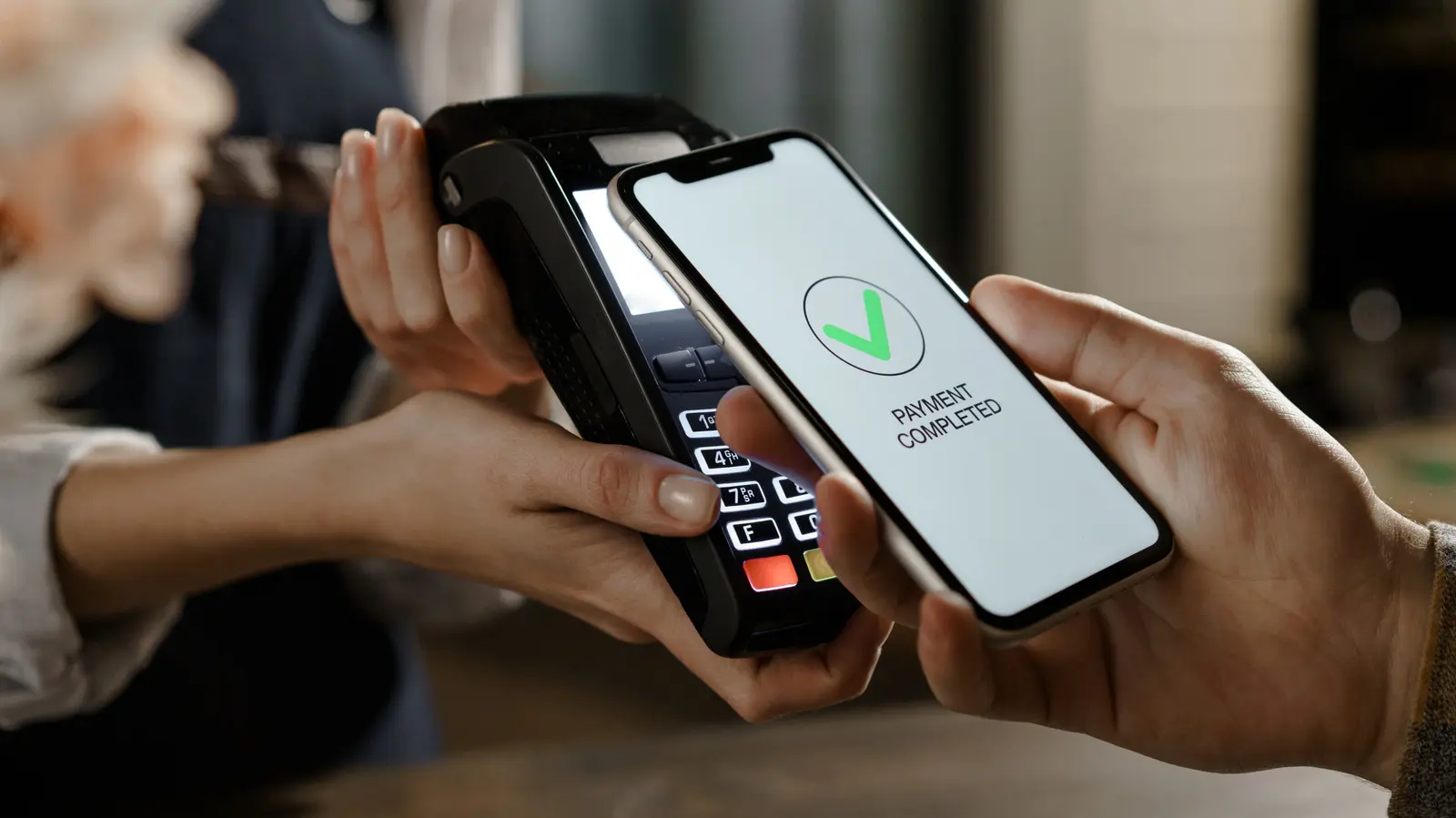
Digital wallets have become a common way for people to store their payment cards, identification, boarding passes, and even loyalty cards. Instead of carrying a traditional leather wallet, many consumers now rely on a smartphone or smartwatch to handle everyday transactions. The convenience is undeniable; however, digital wallets also come with a set of significant limitations. Understanding these drawbacks is essential for anyone considering making the switch to a completely cashless and cardless lifestyle.
This is not meant to suggest that digital wallets are inherently bad. They offer real advantages, such as speed and reduced physical clutter. Still, there are situations in which a digital wallet may let you down, and knowing those scenarios can help you prepare. For many people, the solution is not abandoning digital payments but rather keeping a physical wallet as a backup for emergencies.
A digital wallet requires a working device
The most obvious limitation of a digital wallet is that it must be accessed through an electronic device, usually a smartphone. If you decide to leave your physical wallet at home, you must have your phone with you at all times to pay for anything or prove your identity. This requirement can be problematic for people who prefer not to carry a smartphone everywhere, whether for privacy reasons, mental health concerns, or simply a desire to disconnect from constant digital notifications.
Even if you are comfortable with carrying a phone, there is always the risk that the device will fail when you need it most. The most common issue is a drained battery. A phone that has been used for navigation, messaging, and social media throughout the day may not have enough power left by the evening to support a contactless payment. Unless you carry a portable charger or have access to an outlet, this leaves you without access to your digital wallet.
Battery failure is only one problem. Smartphones can also be dropped and shattered, suffer software glitches, or suddenly stop working due to a hardware malfunction. If your device breaks while you are out running errands, you cannot use your digital wallet. Additionally, phones can be lost or stolen. While a physical wallet can also be lost, the consequences of losing a digital wallet can be more severe because it may contain a wide range of sensitive information.
A digital wallet often requires an internet connection
Many transactions performed with digital wallets depend on network connectivity. Some mobile payment systems use near-field communication, or NFC, which still relies on the devices to communicate properly. Others may require a Wi-Fi or cellular data connection to process a transaction, verify a digital ID, or download a ticket. If you are in an area with poor coverage, such as a remote rural location, a tunnel, or a building with thick walls, you might find that your digital wallet is unable to complete a simple purchase.
Bluetooth can also be part of the equation for certain payment systems, and Bluetooth connections are not always stable. Interference from other devices, physical obstructions, or distance from the payment terminal can all disrupt the connection between your phone and the merchant's point-of-sale system. Even when you have a working data plan, the merchant's internet service could be down. Point-of-sale hardware occasionally malfunctions, just like any other technology. If the terminal cannot connect to its network, your digital wallet payment will not go through.
The dependence on technology is a key reason why many experts recommend keeping a physical card in your wallet or in the car. In a situation where network coverage is unavailable or the point-of-sale system is broken, a traditional plastic card can still be swiped or inserted, provided the terminal has the ability to process chip or magnetic stripe transactions offline in some cases. A digital wallet removes that flexibility and creates an unnecessary dependency on external infrastructure.
A digital wallet can make you more likely to overspend
One of the most highly touted advantages of digital wallets is that they speed up the checkout process. You no longer need to dig through a bag for cash or slide a card out of a sleeve. With a single tap of your phone, the transaction is done. This frictionless experience is convenient, but it can have a negative impact on your finances.
Research has shown that digital wallets can increase impulse spending by up to 35 percent. The ease of tapping a phone against a payment terminal makes it much harder to stop and think about whether you really need an item. When you are not physically handing over cash or even pulling a card out of your wallet, you may not feel the same level of psychological pain associated with spending.
The same research indicates that digital wallets can lead to higher overall spending and more frequent shopping trips. Online checkout buttons that allow for purchases in one click, powered by digital wallet integrations, remove the barriers that might otherwise cause a shopper to reconsider. People on a strict budget may find it harder to stick to a spending plan when every purchase can be completed in a split second. This is not a reason to avoid all digital payments, but it is a reason to be mindful of your spending habits when using a digital wallet.
There are security risks to digital wallets
Security is often mentioned as a benefit of digital wallets because they use encryption, tokenization, and biometric authentication. However, there are still significant security risks that users should take seriously. One issue is that a digital wallet can store far more data than a physical wallet can hold. In addition to credit cards, you might store your driver's license, passport information, health insurance cards, public transportation passes, and even keys or boarding passes. While this means you can leave many documents at home, it also creates a single point of failure if your device is compromised.
If a thief gains access to your smartphone, they could potentially access not only your payment cards but also your personal identification and other sensitive data. It is true that most digital wallets require a fingerprint, face scan, or PIN before allowing a payment to be made. However, not everyone enables these security features. Some users leave their phones unlocked or use weak screen lock patterns, making it easy for someone else to open the device and access the digital wallet.
Another security concern is that different digital wallet apps offer different levels of protection. Some apps have stronger encryption and more robust fraud detection than others. Users who are not careful about choosing a reputable digital wallet provider, or who fail to update their software regularly, could be exposed to unnecessary risk. Additionally, if devices are rooted or jailbroken, they may become more vulnerable to malware designed to intercept payment data. A physical wallet, while impossible to hack remotely, can only be stolen if someone takes it from you. The digital threat landscape is constantly evolving, and users need to be just as vigilant with their phones as they are with their credit card statements.
A merchant might not accept a digital wallet
Although digital payment acceptance has grown considerably over the past decade, it is not universal. Large chain stores and modern retail establishments often have no problem accepting contactless payments from digital wallets, but smaller businesses, local vendors, farmers' markets, and some service providers may not have the necessary hardware. You may also encounter merchants that have contactless terminals but have not yet activated mobile wallet payments, or whose systems are not compatible with the particular digital wallet app that you use.
Compatibility issues can also arise in other contexts. For example, a merchant might accept Google Pay but not Samsung Pay or Apple Pay. Some payment platforms only work with certain banks or card issuers. While efforts to standardize NFC payments have helped, there are still cases where a merchant's point-of-sale software is older and only accepts cards with a chip and signature, or cash. If you are traveling to another country, you may find that digital wallet acceptance is even less certain, particularly in rural areas or regions where mobile payments have not become mainstream.
This lack of universal acceptance is a strong argument for keeping a backup form of payment. Many people who use digital wallets as their primary method also carry a debit or credit card in a slim wallet or an emergency card compartment in their phone case. While not every mobile wallet user wants to return to the days of bulky bifolds, having a single physical card can protect you when a merchant cannot process a digital transaction.
It is also important to remember that digital wallets are still evolving. As technology improves, some of these drawbacks may diminish. For example, battery technology may advance to the point where phones last for days, and internet connectivity may become more widespread and reliable. Nonetheless, at the present moment, no digital wallet can guarantee that it will work in every situation. A power outage, a network failure, or a broken phone can all unexpectedly leave a person without access to funds. Traditional payment methods, such as cash and physical cards, do not rely on batteries or internet connections and will continue to function when electronic systems fail.
For individuals who are unbanked or underbanked, digital wallets have opened up opportunities to participate more fully in the modern economy. They can receive payments, send money, and store funds without relying on a traditional bank account. These benefits are meaningful and should not be dismissed. However, even these users can benefit from understanding the limitations of digital-only storage. The key is not to think of digital wallets as a replacement for all physical forms of payment but as a complement. By keeping at least one physical payment method on hand, you maintain access to your money even when the technology is not cooperating. Awareness of the drawbacks gives you the ability to make smarter choices and avoid finding yourself in a difficult situation with an empty phone and no way to pay.
Source: SlashGear News