
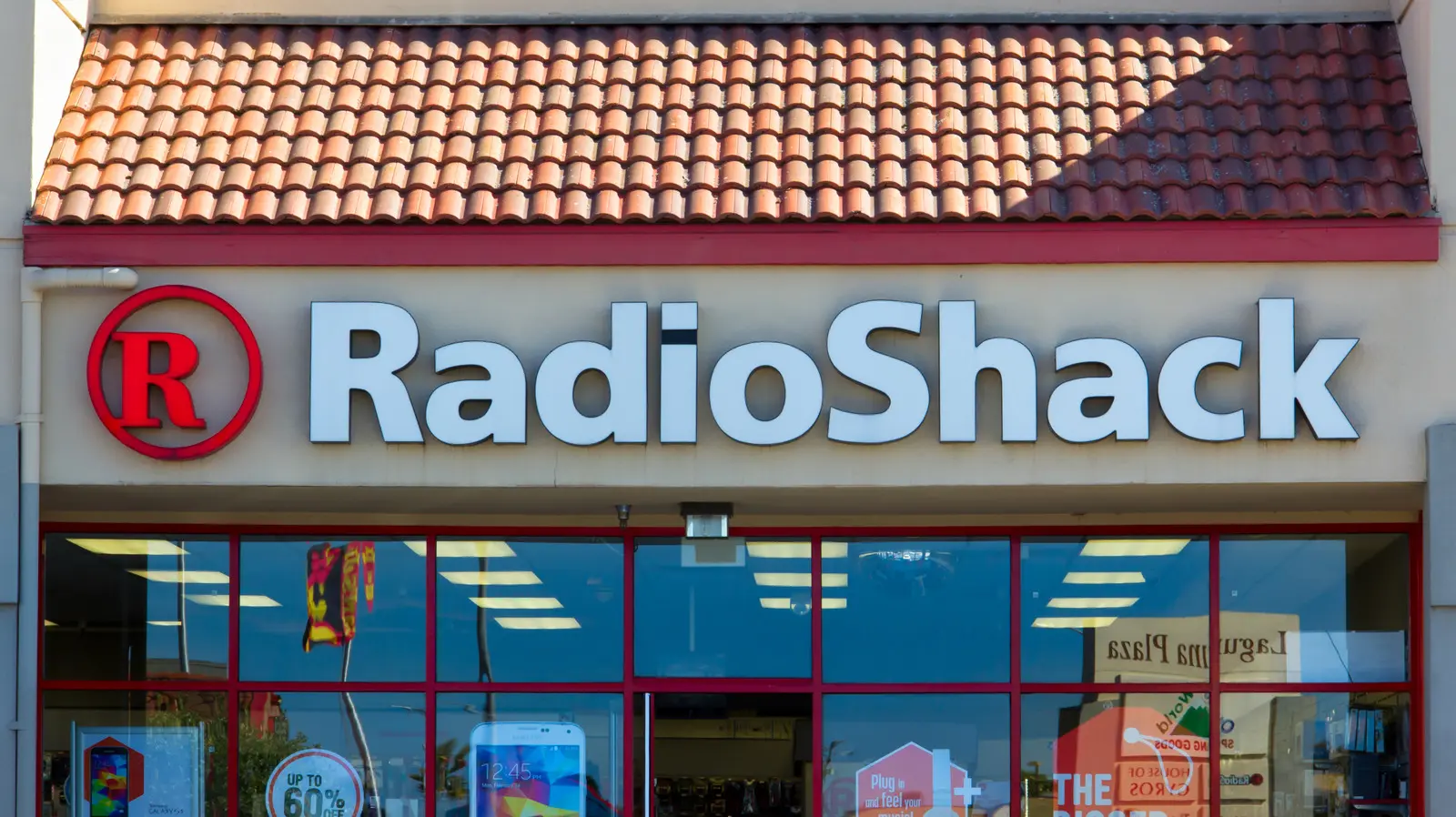
When the conversation turns to once-dominant electronics retailers, RadioShack almost always comes up. For decades, the chain was the first place many shoppers turned for batteries, cables, solder, radios, telephones, and countless other gadgets. The brand had a special place in American culture, especially for hobbyists and tinkerers. But RadioShack has changed dramatically since the days of thousands of strip-mall locations. To understand RadioShack today, it helps to look at who owns it, how many stores remain, and how the company got here.
Who owns RadioShack now?
RadioShack is currently a subsidiary of Grupo Unicomer, a retail and financial services group with operations across Latin America and the Caribbean. An affiliate of Unicomer, Global Franchising Corporation, holds majority ownership of the RadioShack brand worldwide. That structure means the RadioShack stores seen in many countries today are not necessarily owned by an American electronics company in the traditional sense; they are part of a franchise and licensing system that has kept the name alive outside the United States.
This arrangement demonstrates how far the company has traveled from its roots as a Boston-based radio parts seller. Instead of a single national chain with thousands of company-operated locations, RadioShack now operates more like a global licensing and franchise business. The RadioShack name is used by independent retailers and e-commerce partners around the world, with Grupo Unicomer managing the brand through its affiliate.
How many RadioShack stores are left?
According to current data, RadioShack operates 336 stores across Central America, the Caribbean, and South America. The brand also maintains a presence in more than 70 countries globally through licensees, franchisees, and online retail partners. Those numbers are far smaller than the company’s historic footprint, but they show that RadioShack is still a meaningful retail brand in many international markets.
In the United States, the picture is more complicated. RadioShack no longer maintains a large number of corporate-owned stores. Instead, it has started rebuilding its physical retail presence through an Authorized Dealer Program. In an interview published in August 2026, RadioShack USA Managing Director Kevin Hamann said that more than 170 former RadioShack stores were participating in the program as of that month. These stores are not owned by RadioShack; rather, they are operated by independent dealers who carry the RadioShack name and sell RadioShack products.
A new strategy for the United States
RadioShack’s approach to the U.S. market has shifted dramatically. The company is no longer trying to rebuild its former retail footprint of thousands of stores. Instead, it is working with local dealers and regional partners who can provide physical presence for RadioShack products. This strategy allows the company to remain visible in communities without taking on the costs of leasing and staffing a nationwide chain.
The authorized dealer model has become a common way for legacy consumer brands to survive after losing their direct retail operations. By partnering with independent business owners, RadioShack can extend its reach while avoiding the financial risks that led to its earlier struggles. These dealers often operate smaller stores or dedicated sections inside existing retail spaces, giving customers a place to buy RadioShack-branded products and get advice from staff who know the line.
Online sales have also become a central part of RadioShack’s strategy. The company has partnered with major retailers such as Target and Macy’s for online-only sales. Those partnerships allow RadioShack to appear in front of millions of shoppers without having to maintain inventory in physical locations owned by the company. Additionally, RadioShack is expanding its distribution through platforms like Amazon, Best Buy, Walmart, and TikTok. The TikTok presence is a particularly notable move, as it reflects the company’s attempt to reach younger consumers who may only vaguely remember the brand from their parents’ stories.
The early years of RadioShack
RadioShack’s story began in 1921, when Theodore and Milton Deutschmann opened a small store in Boston. The company was originally called Radio Shack, with the slightly unusual spelling reflecting the early days of radio when the words "radio" and "shack" were sometimes used together to describe a small room or structure where radio equipment was kept. The Deutschmann brothers sold radio equipment and components both in the store and through a mail-order business.
At the time, radio was still a relatively new technology. Enthusiasts were buying and building their own receivers, and they needed connection parts, tubes, antennas, and other components that were not available in ordinary department stores. Radio Shack filled that gap. As the years passed, the company moved beyond radio parts and began selling high-fidelity audio gadgets and other electronics. By the early 1960s, Radio Shack had expanded to nine retail locations. That growth was encouraging, but it was not enough to protect the company from serious financial problems.
Tandy changes everything
In 1963, Charles Tandy bought the struggling company for about $300,000. Tandy was a businessman with a clear vision for RadioShack. He began shifting the company’s focus more strongly toward consumer electronics. Rather than treating radio parts and audio gear as niche hobby items, Tandy saw them as products that could appeal to the general public. Over time, he made the retail chain the centerpiece of his company.
That change set the stage for RadioShack to grow from a regional business into a national retail powerhouse. During the 1970s and 1980s, RadioShack expanded rapidly. It opened stores in small towns and city neighborhoods, often in strip malls and shopping centers where other electronics retailers had not yet arrived. The company also introduced products under its own brands, including batteries, phonographs, speakers, and even home computers.
One of the most important chapters in RadioShack history was its involvement in the early computer market. The company released its first personal computer in the late 1970s, and RadioShack stores became a place where many Americans encountered a computer for the first time. That history gives the brand an important place in the development of consumer technology, even though the company later lost ground to more specialized computer and electronics retailers.
RadioShack’s golden age
During its peak years, RadioShack had thousands of walk-in electronics stores across the United States. The stores were known for carrying a wide range of products, from simple cables and connectors to advanced audio equipment and early wireless phones. Customers could find parts and accessories for nearly any device in a RadioShack store, which made the chain extremely convenient for people who needed something quickly.
The company also stood out for the knowledge of its employees. RadioShack operated on a simple idea: customers did not just want a product; they wanted help understanding how to use it. Sales staff were encouraged to ask questions about the customer’s needs and then recommend the right item. For many consumers, RadioShack became a trusted destination where they could get technical expertise without needing to pay for a specialist consultation. This combination of convenience, selection, and knowledgeable service helped the company grow into one of the most successful retail chains of its era.
The road to a reinvented company
RadioShack’s decline did not happen overnight. As large-format retailers like Best Buy grew in popularity, RadioShack’s small stores struggled to compete on selection and price. At the same time, e-commerce companies like Amazon changed the way consumers bought electronics. Shoppers no longer needed to visit a local store to compare prices or find obscure components. Online catalogues and customer reviews made it easier for people to research products and buy them from home.
RadioShack also faced significant challenges from the changing mobile phone industry. For a time, the chain had benefited from being a place where customers could buy cell phones and sign up for wireless plans. But wireless carriers increasingly opened their own stores and pushed direct sales. That shift removed one of RadioShack’s most important sources of revenue and foot traffic.
Following years of restructuring and financial difficulties, the company’s American retail operations underwent major changes. RadioShack filed for bankruptcy in a period that saw thousands of stores close, and the ownership of its various retail divisions shifted among different groups. Through that process, the RadioShack brand was divided and licensed in ways that made it possible for parts of the company to survive independently. The international and domestic pieces of the business eventually settled into the structure seen today.
What comes after the reboot
RadioShack may never return to its former status as a giant of American retail, but the company does appear to be carving out a more practical path forward. The authorized dealer program gives independent operators a chance to trade on a familiar brand name, while RadioShack avoids the burden of managing thousands of physical locations. The company’s relationships with major e-commerce platforms allow its products to appear in search results and online marketplaces where modern shoppers actually spend their time.
Expanding through TikTok is another sign that RadioShack is deliberately trying to stay relevant in the modern media landscape. Short-form video has become one of the most powerful tools for reaching younger audiences, and legacy brands are increasingly using it to generate interest in nostalgic products. RadioShack’s presence on TikTok may be small right now, but it signals that the company understands the importance of showing up where consumers already pay attention.
In the end, RadioShack is no longer the electronics superpower it once was. Yet the brand remains surprisingly durable, with hundreds of stores in the Americas and a growing network of dealers across the United States. For people who remember its golden age, those changes might seem like a pale reflection of the past. For the company that owns the name today, though, they represent a leaner and more realistic path to keeping RadioShack alive in a highly competitive market.
Source: SlashGear News